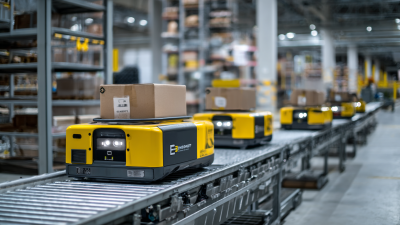
Top 5 Advantages of Using FANUC Robots in Modern Manufacturing
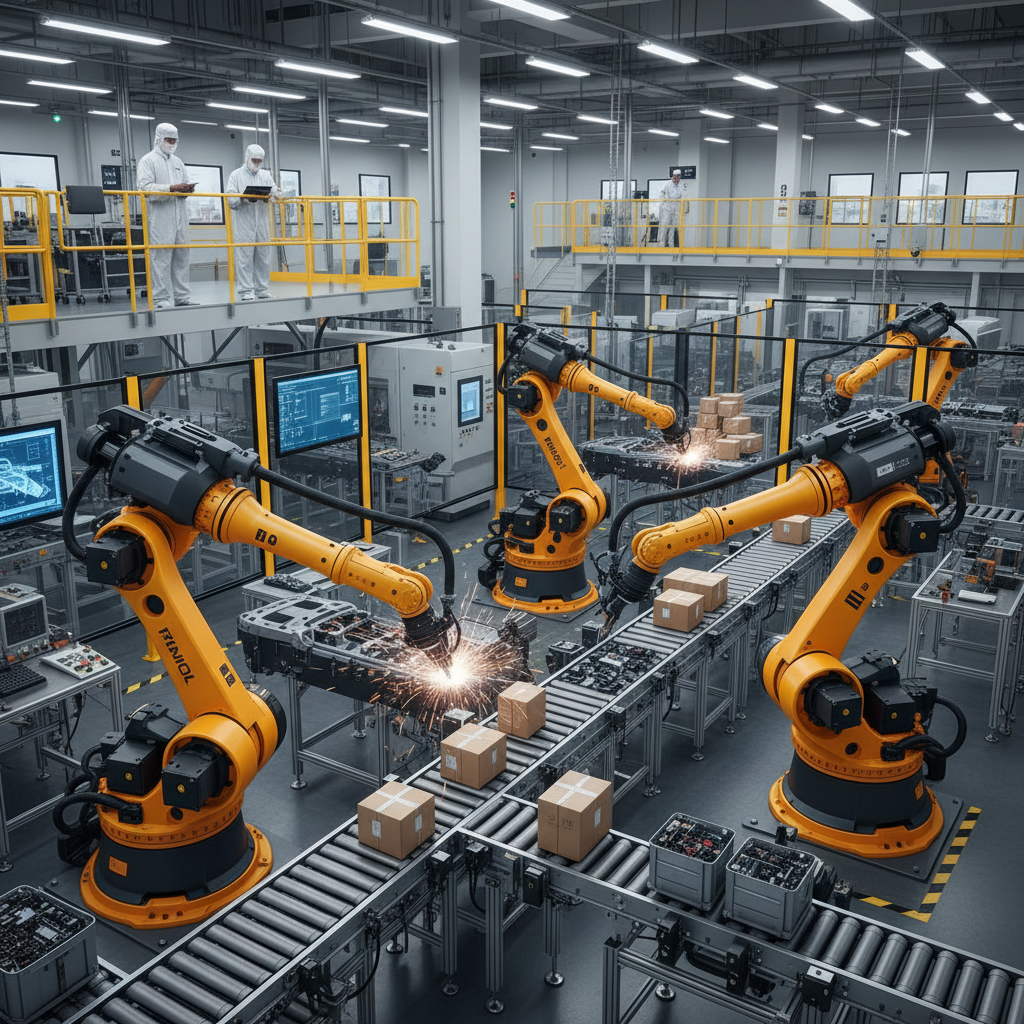
In the rapidly evolving landscape of modern manufacturing, the integration of advanced technologies has become essential for maintaining competitive advantage. Among the cutting-edge solutions that are transforming production lines, FANUC robots stand out as a testament to innovation and efficiency. These robotic systems are not only enhancing productivity but also redefining manufacturing processes across various industries.
The adoption of FANUC robots offers a myriad of benefits that cater to the specific needs of manufacturers, ranging from increased precision to improved operational flexibility. By leveraging these advanced robotics, businesses can streamline their workflows, reduce operational costs, and enhance the quality of their products.
In this article, we will explore the top five advantages of using FANUC robots in modern manufacturing, highlighting how these technological marvels can revolutionize your production capabilities and pave the way for future growth.
Benefits of Enhanced Precision and Accuracy in Manufacturing with FANUC Robots
FANUC robots are revolutionizing modern manufacturing processes by offering unparalleled precision and accuracy. These advanced robotic systems are designed to perform complex tasks with minimal deviation, ensuring that every component is manufactured to exact specifications. This not only enhances the quality of the output but also reduces waste and the likelihood of errors, making it a smart investment for any production line.
Tip: Incorporate regular maintenance schedules for your FANUC robots to keep them operating at peak efficiency. A well-maintained robot will perform more accurately and last longer, resulting in greater overall productivity.
Moreover, the integration of FANUC robots allows manufacturers to streamline their operations. With precise movement and control, these robots can manage intricate tasks such as assembly, welding, and painting with remarkable consistency. This means that manufacturers can take on more complex projects while maintaining high standards of quality, ultimately boosting their competitiveness in the market.
Tip: Invest in training for your workforce to ensure they are adept at operating and troubleshooting FANUC robots. A knowledgeable team can make a significant difference in maximizing the utility of robotic systems in the manufacturing process.
Top 5 Advantages of Using Robots in Modern Manufacturing
Increased Production Efficiency Through Automation with FANUC Robotics
FANUC robots play a pivotal role in enhancing production efficiency through automation in modern manufacturing settings. According to a report by the International Federation of Robotics (IFR), the use of industrial robots led to a 30% increase in production rates for businesses that integrated robotic systems into their operations. This significant boost in efficiency is attributed to FANUC's advanced technology, which allows for precise and rapid execution of tasks that were traditionally time-consuming when performed by human labor.
Additionally, the automation brought by FANUC robotics has shown to reduce operational costs markedly. A study by McKinsey & Company found that companies utilizing automation typically experience a 20-25% reduction in labor costs, while simultaneously improving output quality and consistency. With capabilities like artificial intelligence and machine learning, FANUC robots continuously optimize their performance, seamlessly adapting to varying manufacturing processes without compromising speed or accuracy. As industries strive for higher output under tighter deadlines, the integration of FANUC robotic systems emerges as a crucial strategy for maintaining competitive advantage in the marketplace.
Cost Savings: Reducing Labor Costs and Errors with FANUC Robots
In today's rapidly evolving manufacturing landscape, cost savings are crucial for staying competitive. FANUC robots have emerged as a game-changer, significantly reducing labor costs and minimizing errors in production processes. By automating repetitive tasks, these robots not only enhance productivity but also release human workers from monotonous activities, allowing them to focus on more complex and value-adding roles. This shift leads to an overall reduction in labor costs and improves operational efficiency.
Tips for successful implementation include assessing your workflow to identify tasks that are time-consuming and prone to errors. Start small by automating a few processes and gradually scale as you become more comfortable with the technology. Additionally, investing in training for your staff can help maximize the efficiency of robotic systems, leading to even greater cost savings.
Improving accuracy is another critical advantage of FANUC robots. By minimizing human error, businesses can enhance product quality and consistency, which directly impacts customer satisfaction. Use real-time data analytics to monitor robot performance and make adjustments, ensuring optimal operation. As manufacturers increasingly adopt FANUC robots, the potential for cost reduction continues to grow, making it an essential strategy for modern production environments.
Top 5 Advantages of Using FANUC Robots in Modern Manufacturing - Cost Savings: Reducing Labor Costs and Errors with FANUC Robots
| Advantage |
Description |
Estimated Cost Savings (%) |
Error Reduction Rate (%) |
| Labor Cost Reduction |
FANUC robots reduce the need for manual labor, leading to lower ongoing wages and employee benefits. |
20-30% |
N/A |
| Increased Production Efficiency |
Robots operate at high speed and high precision, boosting overall manufacturing output. |
15-25% |
30-50% |
| Consistent Quality |
FANUC robots maintain innovation precision, ensuring quality is consistent across all products. |
N/A |
50-70% |
| Reduced Operational Errors |
Automation minimizes human errors in production processes, leading to fewer defects. |
N/A |
40-60% |
| Scalability |
FANUC robots allow for rapid scalability in production without significantly raising costs. |
10-20% |
N/A |
Flexibility and Scalability: Adapting to Industry Changes with FANUC Solutions
In today's dynamic manufacturing landscape, flexibility and scalability are paramount for companies striving to remain competitive.
FANUC robots offer a versatile solution that allows industries to swiftly adapt to changing market demands.
According to a report by the International Federation of Robotics (IFR), the use of industrial robots has surged by 12% annually, indicating a growing reliance on automation to meet consumer needs.
FANUC's robotics solutions facilitate this adaptability, enabling manufacturers to modify production lines efficiently to accommodate new products or shifts in demand without extensive reconfiguration.
Moreover, FANUC robots enhance scalability—critical for businesses looking to expand operations without a proportional increase in costs.
A study from McKinsey & Company highlights that companies that implement advanced robotics can boost production output by up to 30% while reducing operational costs by approximately 20%.
The ease of integrating FANUC robots into existing workflows not only streamlines processes but also allows manufacturers to scale operations in line with market fluctuations, ultimately leading to improved profit margins.
As industries navigate the complexities of modern manufacturing, FANUC solutions stand out as a cornerstone for achieving both flexibility and scalability.
Improved Safety Standards in Manufacturing Environments Using FANUC Robotics
In modern manufacturing, safety is paramount, and
FANUC robots are leading the charge in elevating safety standards across various industries.
According to a report by the International Federation of Robotics, companies that integrate robotics technology
have witnessed a 30% decrease in workplace accidents.
FANUC’s advanced safety features, such as collaborative robot models (cobots), allow human workers to operate
alongside machines without the need for safety cages, significantly enhancing operational safety while maintaining productivity.
Tips: When considering FANUC robots for your facility, assess the specific safety features of each model.
Look for robots equipped with emergency stop functions and sensors that detect human presence to minimize risks during operation.
Moreover, FANUC robots contribute to a safer work environment by reducing the physical strain on human workers.
Tasks that involve heavy lifting, repetitive movements, or dangerous operations can be delegated to robots, thereby
minimizing the potential for workplace injuries. A recent study by Deloitte estimates that
automating these labor-intensive tasks could reduce injury rates by more than
50% in manufacturing settings.
Tips: Engage your workforce in discussions about the integration of robotic automation. Their insights can help optimize safety protocols and improve overall acceptance of new technologies.
Emphasizing training on the synergy between human workers and FANUC robots can also enhance safety and efficiency.