Top Benefits of Using Automatic Robots in Everyday Life and Industry
In recent years, the integration of automatic robots into various facets of everyday life and industry has revolutionized our approaches to productivity and efficiency. These innovative machines are designed to perform tasks that traditionally required human intervention, thereby enhancing both speed and accuracy. By leveraging advanced technologies such as artificial intelligence and machine learning, automatic robots have become indispensable tools across numerous sectors, including manufacturing, healthcare, and logistics.
The benefits of utilizing automatic robots are multifaceted, ranging from increased operational efficiency to improved safety for workers. In industrial settings, automatic robots can undertake repetitive and hazardous tasks, allowing human employees to focus on more complex responsibilities that require critical thinking and creativity. Furthermore, the use of automatic robots in everyday life, such as in household chores, has transformed the way we manage our time and resources, ultimately leading to a higher quality of life.
As society continues to embrace automation, understanding the advantages of automatic robots will be crucial for both individuals and industries seeking to remain competitive in an ever-evolving landscape. Emphasizing their role in enhancing productivity, safety, and convenience, this exploration will shed light on how automatic robots are poised to further influence our lives and work environments in the coming years.

Advantages of Automated Robots in Household Tasks
The integration of automated robots into household tasks has revolutionized the way we manage our daily lives. According to a report by Statista, the global market for home robotics is projected to reach approximately $35 billion by 2026, driven by the increasing demand for time-saving solutions and enhanced convenience. Automated robots, ranging from vacuum cleaners to lawn mowers, not only help reduce the time spent on mundane chores but also allow individuals to focus on more meaningful activities, enhancing overall quality of life.
Furthermore, a study from the International Federation of Robotics indicates that robots can improve household efficiency by up to 40%. This efficiency not only translates to more free time for families but also contributes to a cleaner and more organized living environment. Moreover, the widespread adoption of smart home technologies, coupled with automated robots, enhances energy efficiency, reducing utility costs. As more households embrace robotics in their routines, the advantages become increasingly apparent, marking a significant trend in modern living.
Enhancing Efficiency in Industrial Production with Robots
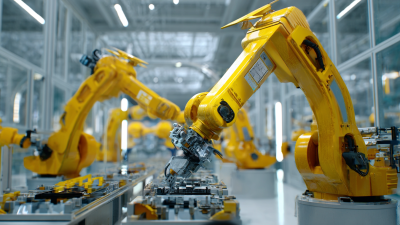
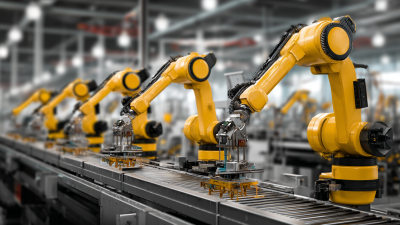
The integration of automatic robots in industrial production has revolutionized the way operations are conducted. These advanced machines are designed to enhance efficiency by performing repetitive tasks with precision and speed that far surpass human capabilities. For instance, in manufacturing environments, robots can assemble, paint, and package products while maintaining high levels of consistency and quality. This enables companies to produce goods at a faster rate, significantly reducing lead times and meeting increasing market demands effectively.
Moreover, the utilization of robots in industrial settings not only improves productivity but also enhances worker safety. By delegating dangerous or physically demanding tasks to machines, companies can minimize the risk of workplace injuries. This shift allows human employees to focus on more complex and strategic roles that require creativity and problem-solving skills, ultimately leading to a more engaged and skilled workforce. Additionally, the data collected from robotic operations can provide valuable insights into production processes, enabling continuous improvement and smarter decision-making within industries.
Top Benefits of Using Automatic Robots in Everyday Life and Industry - Enhancing Efficiency in Industrial Production with Robots
| Benefit |
Description |
Impact on Efficiency |
Sector |
| Increased Productivity |
Robots can operate 24/7 without fatigue, significantly increasing output. |
Up to 30% increase in production speed. |
Manufacturing |
| Improved Accuracy |
Robots perform tasks with high precision, reducing human error. |
Decrease in defect rates by up to 20%. |
Electronics |
| Enhanced Safety |
Robots can handle dangerous tasks, reducing workplace injuries. |
Reduction in accidents by 40%. |
Construction |
| Cost Reduction |
Automation of repetitive tasks lowers labor costs and improves margins. |
Savings of up to 20% on operational costs. |
Logistics |
| Scalability |
Robotic systems can be easily scaled to meet increasing demand. |
Faster adjustment to production needs. |
Food Processing |
Improving Safety Standards through Robotic Automation
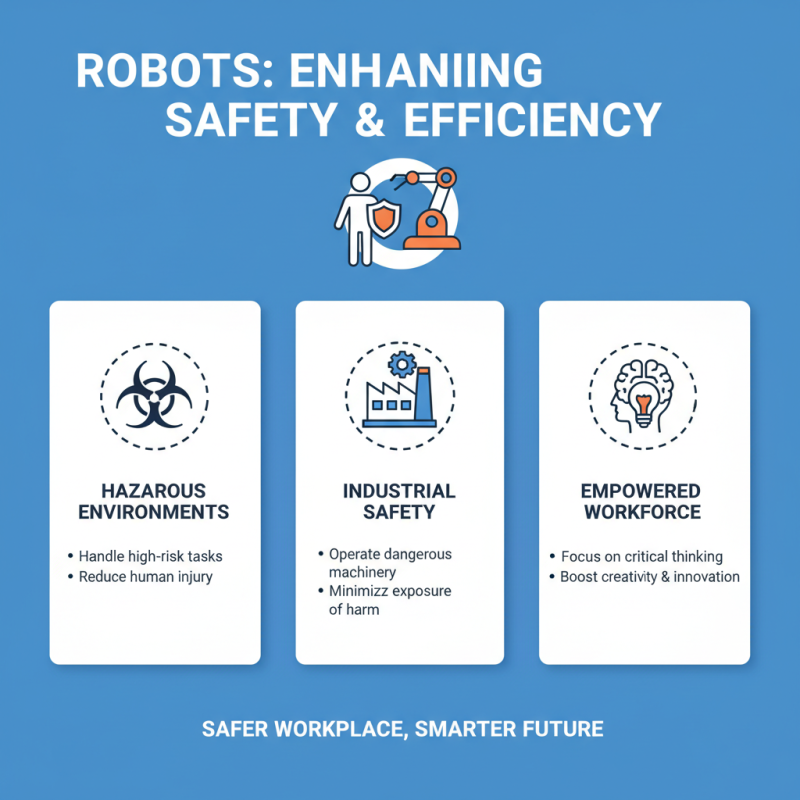
The integration of automatic robots into various aspects of everyday life and industry significantly enhances safety standards. In environments where hazardous materials or conditions exist, robotic automation can take over high-risk tasks, reducing the potential for human injury. For instance, in manufacturing plants, robots can handle dangerous machinery, minimizing exposure to injuries that arise from operating heavy equipment. This not only protects workers but also creates a more efficient work environment, allowing human employees to focus on tasks that require critical thinking and creativity.
Furthermore, robots are increasingly used in areas such as healthcare and emergency response, where their ability to perform tasks with precision and reliability is paramount. In hospitals, robotic systems can assist in surgery, providing surgeons with enhanced dexterity and the capability to perform intricate procedures with minimal invasiveness, which ultimately lowers the risk of complications. Similarly, in emergency situations, robots can be deployed to assess dangerous environments, such as hazardous material spills or disaster areas, thereby ensuring the safety of first responders while providing critical information to aid in rescue efforts. Through these applications, robotic automation not only improves operational efficiency but also significantly elevates safety standards in diverse sectors.
Cost Reduction and Resource Optimization via Robots
The integration of automatic robots into everyday life and various industries has led to significant cost reduction and resource optimization. By automating repetitive and time-consuming tasks, businesses can allocate human resources to more complex and strategic roles. This not only increases productivity but also leads to a more efficient use of materials and energy. For example, in manufacturing, robots can execute tasks with precision, minimizing waste and maximizing output, which directly impacts the bottom line.
Tips: Consider conducting a cost-benefit analysis before implementing robotic solutions. Understand the initial investment against potential savings in labor costs and material handling. By analyzing your operations, you can identify the areas where robots can make the most impact.
Moreover, in fields such as agriculture and logistics, robots can enhance resource management by optimizing supply chains. Automated systems can track inventory levels in real time, ensuring that resources are utilized effectively and reducing excess stock. This not only streamlines operations but also fosters sustainable practices by decreasing the environmental footprint associated with overproduction and waste.
Tips: Look into scheduling regular maintenance for your robots to ensure they operate at peak efficiency. Consistent upkeep can extend the lifespan of these machines and enhance their productivity, making your investment last longer.
The Role of Robots in Modern Healthcare Solutions
The integration of robots into modern healthcare solutions has revolutionized the way medical services are delivered.
One of the primary benefits of using automatic robots in healthcare is their ability to enhance precision in surgical procedures.
Robotic-assisted surgeries allow for smaller incisions, reduced recovery times, and improved outcomes,
as these machines can operate with incredible accuracy, minimizing human error.
This advancement not only boosts patient safety but also streamlines the surgical workflow, enabling
healthcare professionals to focus more on patient care and management.
Moreover, robots play a crucial role in patient care and support by assisting healthcare staff in various tasks.
Automated systems are increasingly used in tasks such as medication dispensing,
patient monitoring, and even rehabilitation. Robots equipped with advanced sensors
and artificial intelligence can provide continuous health monitoring, alerting healthcare providers to any immediate concerns
and allowing for timely interventions. Additionally, in rehabilitation settings, robotic devices can help patients
regain mobility through tailored exercise programs, making therapy sessions more effective and personalized.
The integration of robotics in healthcare not only improves the efficiency of care delivery but also enhances the overall
patient experience, making healthcare more accessible and effective.