Buying Smart Ai Glasses in China is not simply a search for the newest frame or the lowest price. The right choice depends on how you will use them: translating a conversation, capturing a short video, navigating a busy street, or listening to audio during a commute. Try them on if possible. A frame that feels light for five minutes may press against your nose after an hour. Small details matter.
Computing pioneer Mark Weiser wrote, “The most profound technologies are those that disappear.” That idea offers a useful test for smart glasses: helpful features should feel natural, not distracting. When comparing options, check the exact model and configuration, available languages, phone compatibility, battery expectations, return terms, and warranty support. Ask whether an advertised AI function works on the device or depends on an app or internet connection. A polished product page cannot answer every question.
In China, compare official brand stores, authorized retailers, and established shopping platforms. Confirm the seller’s identity and keep your purchase records. If you can visit a physical store, test the fit, controls, microphone, and display in ordinary lighting. One caution: specifications do not tell the whole story. A technically impressive pair may still feel awkward, or its software may not suit your daily routine. This guide will help you weigh those trade-offs and choose with clearer expectations.
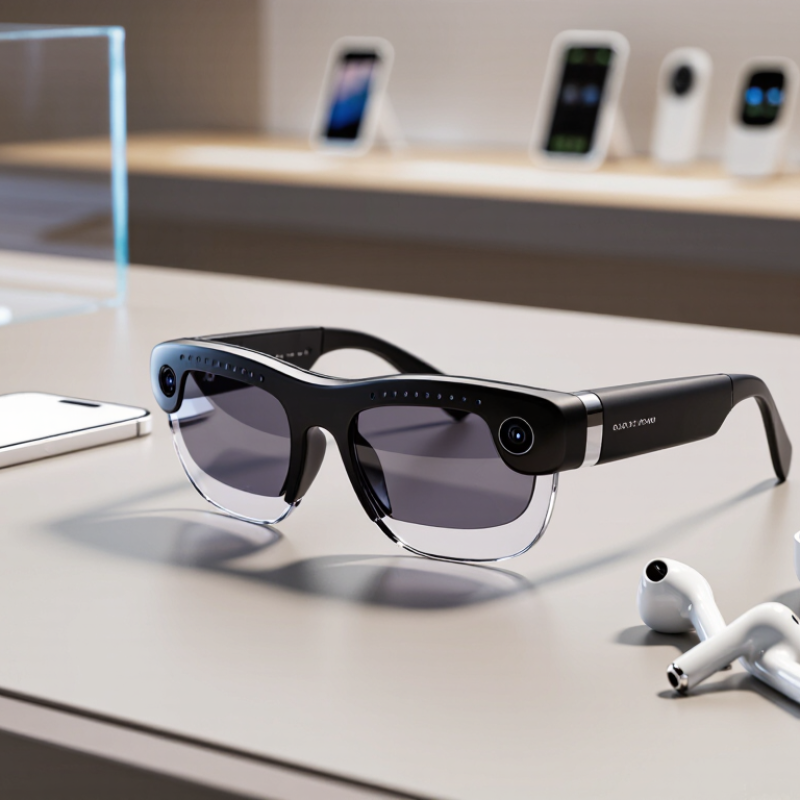
For buyers in China, “best” should mean useful every day, not merely futuristic. Look for clear Mandarin voice recognition, reliable calls in a busy street, comfortable weight, and controls that work without constant phone handling. Grand View Research valued the global smart-glasses market at US$1.93 billion in 2023 and forecast 27.3% annual growth from 2024 to 2030. That is a market estimate, not proof that every product performs well. IDC reported 537.9 million wearable devices shipped worldwide in 2024, up 6.1% year over year. Its category includes many devices beyond glasses, so treat it as broad context. Context matters.
Test a pair with your own phone and the apps you use. Read a short message aloud, then check whether names and street addresses are transcribed correctly. Test them outdoors. A bright shop display can hide dim lenses, weak microphones, or awkward touch controls. Check battery life during calls, available repair support in China, and whether the companion app explains where recordings are stored. Do not rely on a single advertised runtime; real use varies with calls, display brightness, and network conditions. I would also weigh comfort more heavily than a feature list. A slightly imperfect fit can become tiring after a long commute, and that detail is easy to miss in a quick demo.
China’s smart AI glasses come in several distinct model types, rather than one standard design. Audio-first glasses use open-ear speakers and microphones for calls, voice prompts, and assistant queries. Camera-equipped models add photo or video capture, often controlled by a small button near the temple. Display-focused glasses show navigation, captions, or notifications in a compact view. Some frames accept prescription lenses; others need inserts or a separate fitting. Small differences matter.
When comparing models, check the weight, battery life, lens options, and which functions work without a phone nearby. Ask whether voice features support your preferred language, and test the frame’s fit if possible. Availability can vary by city and sales channel, so confirm current specifications with official product pages and established local retailers. Model names and versions may change quickly. That can be confusing. A polished demonstration also may not reflect outdoor visibility or all-day comfort, so treat those claims as questions to verify, not guarantees.
Where to Buy the Best Smart AI Glasses in China?
Where to Buy Smart AI Glasses Through Chinese Online Platforms
Chinese online marketplaces offer a practical way to compare smart AI glasses, but listings can vary widely. Search for the product category, then check whether the seller is an official shop or an authorized retailer. Read recent reviews, especially comments about microphone clarity, comfort, battery life, and delivery packaging. A polished product page is useful, but it is not proof of quality.
Before ordering, inspect the return window, warranty terms, and customer-service options. Check the exact lens type, frame size, phone compatibility, and which AI features work in your region. Some listings translate specifications poorly, so ask the seller to confirm unclear details in writing. Prices may fluctuate during promotions. I would not choose on price alone; that judgment can be wrong.
Tips: Save screenshots of the listing and stated warranty before checkout. Compare the same specifications across several sellers, and look for dated, detailed reviews rather than brief praise. Confirm whether the glasses support your phone and preferred language. Small details matter. A seller’s response can also reveal how carefully they handle questions.
Online retail is an established shopping channel in China. This chart shows the share of total retail sales accounted for by online sales of physical goods; it provides market context, not smart-glasses-specific sales data.
Source: National Bureau of Statistics of China, annual retail-sales data. Shares are rounded to one decimal place.
In China, try smart AI glasses in person before buying. Large electronics malls, optical shops, and authorized retail counters may have display units. Ask staff whether the demo works, not just whether the frames are on display. Try them on. Check pressure around your nose and ears, then look down and turn your head. A frame that feels light for one minute can become tiring later.
Test useful features in the shop. Read a short line on the display, play audio at a quiet volume, and try voice control in a normal speaking voice. Ask which functions need a phone connection and whether they work offline. Menus can be confusing, and a quick demo may not reveal every limitation. The demo may feel smoother than daily use; that gap is easy to forget.
Before paying, confirm the exact model, included accessories, warranty terms, and return or exchange policy in writing. If the glasses have a camera or microphone, check the indicator lights and review how recordings are stored and managed. Ask whether the fitting can be adjusted, especially if you wear prescription lenses. A five-minute test helps, but it is not a perfect substitute for a full day of use.
When shopping for smart AI glasses in China, verify the seller before comparing prices. Ask for a dated invoice, sealed packaging, and a serial number matching the device settings. Use the maker’s official verification channel, if available; a QR code alone proves little. Inspect the lenses, hinges, microphones, and charging contacts under bright light. Small details matter.
Compare the full package, not just the headline price. Check whether the quote includes prescription lenses, fitting, shipping, and setup support. A very low price may indicate an older version or limited service, but it does not prove fraud. Read warranty terms before paying: check the coverage period, battery exclusions, repair location, and required proof of purchase. Keep screenshots of the listing and seller chats. During the return window, test audio, camera, translation, and the companion app. Some features depend on network access or software updates, so performance can vary.
Tips: Pay with a traceable method, save the invoice, and ask who handles repairs locally. Get the answer in writing. Verbal promises are easy to forget.
