China Top 10 Packaging Robot Manufacturers for Global Buyers

Packaging robots are becoming practical tools for manufacturers facing varied product sizes, tighter schedules, and repetitive end-of-line work. A carton may arrive slightly skewed; a gripper must still pick it reliably. Small details like that separate a promising demonstration from a dependable production cell.

Robotics pioneer Joseph F. Engelberger is often quoted as saying, “I can’t define a robot, but I know one when I see one.” His observation is broad, not specific to packaging. Still, it points to a useful question for buyers: what can a machine do consistently in your actual operating conditions? Speed alone is not enough. Changeover time, integration support, safety features, spare-parts access, and service response deserve close attention.

This guide introduces ten packaging robot manufacturers for global buyers. It is a starting point, not a universal ranking. A supplier suited to a high-volume food line may not fit a smaller operation handling mixed cartons. Buyers should compare payload, reach, cycle-time claims, available end-of-arm tooling, and compatibility with existing conveyors. Ask for test results using products and packaging materials like yours. Then check who will commission and maintain the system locally.

The details matter. And they can be easy to miss. Published specifications rarely capture every factory constraint, and supplier comparisons may change as models and service networks evolve. This shortlist aims to help readers ask sharper questions, while leaving room for independent checks before any purchase decision.
China Top 10 Packaging Robot Manufacturers for Global Buyers

What Packaging Robots Are and How They Work

China Top 10 Packaging Robot Manufacturers for Global Buyers

What Packaging Robots Are and How They Work

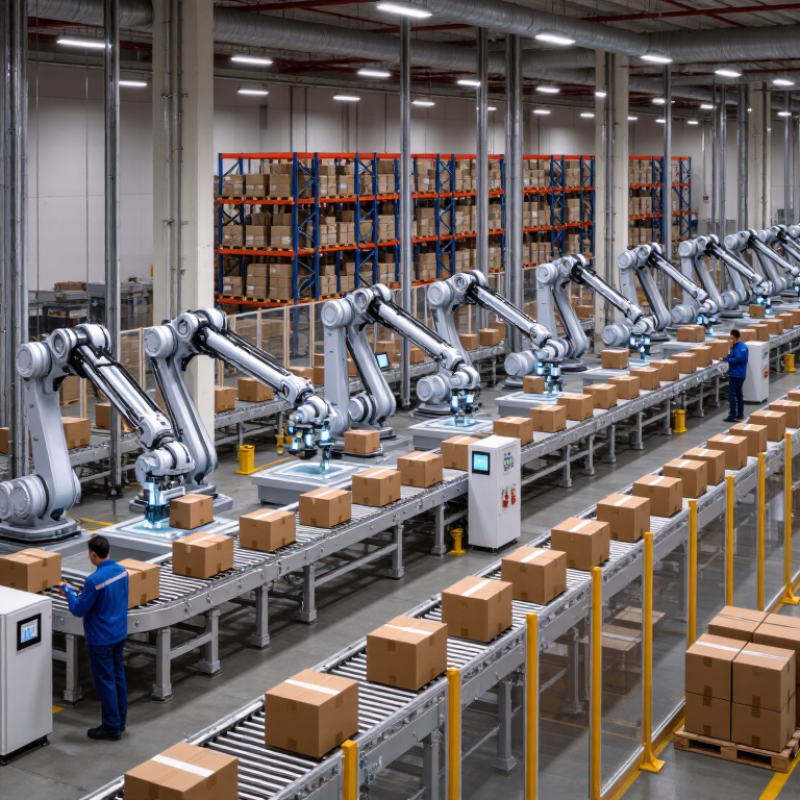
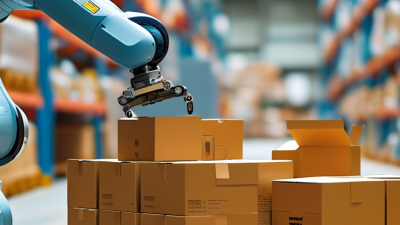
Packaging robots are programmable machines that pick, place, seal, palletize, or inspect products during packing. A typical cell combines a robot arm, gripper, sensors, conveyor, and control software. The gripper may hold a carton gently or clamp a heavier case. Sensors help the system track items as they move. The robot then follows programmed coordinates and repeats the task at a controlled speed. Simple in concept. Not always simple on the factory floor.

Applications range from placing bottles into trays to stacking finished cases on pallets. The International Federation of Robotics’ World Robotics 2024 report recorded 541,302 industrial robot installations worldwide in 2023. This figure covers industrial robots across sectors, not packaging robots alone, so it offers context rather than a packaging-specific measure. In practice, cycle time depends on product shape, line layout, and changeover needs. A fast arm can still wait for a poorly synchronized conveyor. That detail is easy to overlook.

Tips: Match the gripper to the actual package, including slippery film and uneven cartons. Check reach, payload, washdown conditions, and safety zones before selecting equipment. Ask for a trial using your products. Real packages often behave differently from neat samples. Keep that in mind.
Key Applications of Packaging Robots Across Industries

Packaging robots serve different needs across food, pharmaceuticals, personal care, and consumer goods. In food plants, robots pick sealed trays, load cartons, and place cases onto pallets. Soft-grip tools help handle delicate produce, while washdown-ready designs suit wet processing areas. Pharmaceutical lines use robots to load vials and cartons, where careful handling and traceable production matter. Every product change still needs attention.

The International Federation of Robotics reported 541,302 industrial robot installations worldwide in 2023, with an operational stock of about 4.28 million. These figures cover industrial robots broadly, not packaging alone, but show the scale of automation available to manufacturers. In consumer-goods factories, robots can sort mixed products, case-pack bottles, and palletize heavy loads. In distribution centers, robotic picking and packing help manage fluctuating order sizes.

The details matter. A robot may run quickly, yet poor infeed alignment can cause jams and damaged cartons. Operators must also plan for safe access, cleaning, and format changeovers. A line that works beautifully for one package may struggle with another. That is easy to underestimate. Manufacturers should assess product range, hygiene needs, and real cycle-time data before choosing an application.

How to Evaluate Chinese Packaging Robot Manufacturers

When evaluating Chinese packaging robot manufacturers, look beyond catalogue speed. Ask for a line test using your actual cartons, products, and packaging materials. Watch how the robot handles a crooked box or a changing product size. Those small moments reveal more than a polished demonstration.

Check the technical details. Confirm payload, reach, cycle time, and placement accuracy against your production needs. Request layout drawings, electrical specifications, and a clear list of included components. Ask how the robot connects with conveyors, case erectors, and existing controls. A fast arm is not useful if the whole line keeps waiting.

Test it yourself. Also review factory quality records, operator training, spare-parts availability, and remote support hours. Ask for references from installations with similar workloads, then verify the details directly where possible. Discuss acceptance testing before placing an order, including measurable uptime and response targets. Be cautious when a quote promises unusually short delivery or very high output without explaining assumptions. A spreadsheet can miss the awkward changeover that takes twenty minutes on a real shift. No checklist catches everything, and I would revisit the plan after a trial run. Manufacturer evaluation is partly technical, partly about how openly a supplier handles problems.

China’s Top 10 Packaging Robot Manufacturers for Global Buyers

China’s Top 10 Packaging Robot Manufacturers for Global Buyers

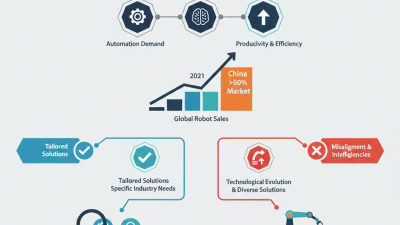
China is a major sourcing base for packaging automation, but a “top ten” list needs clear criteria. Compare verified installations, application engineering, service coverage, and spare-parts access—not just quoted prices. The International Federation of Robotics’ World Robotics 2024 report recorded 276,288 industrial robot installations in China in 2023, about 51% of global installations. This measures industrial robots across sectors, not packaging robots alone. It signals manufacturing scale, not proof that every supplier is experienced in packaging.

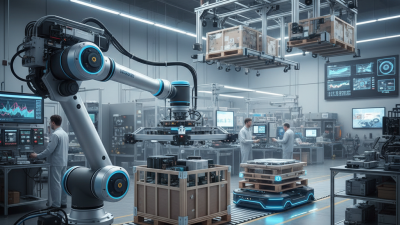
For global buyers, inspect a complete cell: robot, gripper, conveyor, vision system, safety guarding, and controls. Ask for cycle-time results using products and cartons similar to yours. Ask for proof. A factory video is useful, but it cannot replace a documented acceptance test. Check language support, remote diagnostics, training, and local service response times before comparing offers. IFR also reported roughly 1.76 million industrial robots operating in China in 2023, reflecting a substantial automation base. Still, company-level capabilities vary. Fit matters more. Buyers should request references for comparable lines and confirm who will maintain the equipment after installation. A polished quotation can hide integration gaps; even careful evaluation may miss them.

Packaging Robot Applications: A Buyer’s Overview

Representative robotic tasks across common packaging-line stages

Bars show the number of representative robot tasks listed for each stage, not market share, adoption rates, or a manufacturer ranking. Typical tasks include picking, placing, packing, palletizing, and depalletizing.

Comparing Suppliers, Capabilities, and Export Support

Choosing a packaging robot supplier requires more than comparing quoted prices. Check payload, reach, repeatability, and cycle time against your actual cartons, trays, or bags. Ask for a recorded test using representative products; a fast demonstration with empty boxes proves little. Small details matter. A gripper that slips on glossy film can disrupt an entire packing line.

Compare integration capabilities as carefully as the robot itself. Ask who handles conveyors, vision systems, guarding, and line controls, and how responsibilities are divided. Request layout drawings, installation schedules, and clear acceptance criteria. A polished brochure can still leave gaps. In practice, product changes often expose assumptions that looked harmless during early discussions.

Export support deserves specific questions. Confirm which manuals, wiring diagrams, spare-parts lists, and shipping documents are supplied, and in what languages. Ask about remote troubleshooting hours, technician availability, replacement-part lead times, and commissioning options in your destination country. Clarify what the quoted service includes. Some suppliers explain these points well; others may answer only after repeated follow-up, which is worth noting before purchase.

China Top 10 Packaging Robot Manufacturers for Global Buyers – Comparing Suppliers, Capabilities, and Export Support

Supplier Profile Typical Packaging Applications Robot / Automation Capabilities Integration Considerations Export Support to Verify Best-Fit Buyer
1. Carton-packing specialist Loading products into cartons; carton handling and case packing Robot cells or automated systems configured for product loading; model and payload are project-dependent Check carton-size range, product changeover method, and upstream synchronization Request installation manuals, spare-parts lists, remote support terms, and destination-specific documentation Factories seeking to automate repetitive case-packing operations
2. Palletizing-system supplier Stacking cases, bags, or trays onto pallets Robot or gantry palletizing solutions; reach, payload, and achievable rate depend on the selected configuration Confirm pallet patterns, pallet dimensions, infeed layout, and safety guarding Verify export packing, commissioning availability, electrical standards, and service coverage Warehouses and production lines with recurring pallet patterns
3. Depalletizing-system supplier Removing layers or individual cases from pallets Automated unloading with sensing and end-of-arm tooling selected for the load Discuss mixed loads, damaged packaging, layer stability, and pallet presentation Ask for documentation on operating conditions, maintenance, and remote diagnostics Facilities automating inbound case or container handling
4. Delta pick-and-place specialist Picking and placing lightweight products into trays, boxes, or flow-wrap lines Delta-style robot systems are commonly used for high-speed picking; performance varies by product, layout, and model Validate vision requirements, product spacing, food-contact requirements, and line speed Confirm software language options, training materials, and access to replacement parts Food, confectionery, and consumer-goods lines handling small items
5. Case-erecting and sealing integrator Forming, loading, and sealing shipping cases Integrated equipment may combine robotic loading with case handling and sealing modules Check case styles, adhesive or tape requirements, changeover time, and line interfaces Request a clearly defined scope of supply, commissioning plan, and warranty terms Buyers seeking a coordinated case-packing line rather than a standalone robot
6. Collaborative-robot cell provider Low-volume packing, case loading, and flexible end-of-line tasks Collaborative robot cells can support flexible deployment; safe operation depends on a documented risk assessment Assess cycle-time needs, tooling, operator interaction, and required safeguarding Verify applicable conformity documents and who is responsible for system-level compliance Small or changing production runs that benefit from adaptable automation
7. Vision-guided packaging integrator Unsorted-item picking, orientation, inspection, and placement Robot operation paired with cameras and vision software; capability depends on lighting, product presentation, and validation Test representative products, packaging variations, reflections, and occlusion before purchase Ask for vision-system documentation, backup procedures, and support for software updates Lines where product position or orientation varies at the infeed
8. Bagging and sack-handling automation supplier Handling filled bags, grouping, case packing, or palletizing Robotic handling can be configured around bag size, weight, and product characteristics Confirm bag stability, gripping method, dust control, and required throughput Verify shipment protection, local installation options, and availability of wear parts Bulk-product producers seeking to automate bag handling downstream
9. Packaging-line turnkey integrator Multiple stages such as loading, case packing, palletizing, and conveying Combines robots with conveyors, tooling, controls, and safety systems from a project-defined design Define line boundaries, acceptance criteria, interfaces, and responsibility for third-party equipment Request a project schedule, export-crating details, commissioning scope, and service escalation process Buyers requiring one coordinated supplier for several automation stages
10. Customized robotic-cell builder Special packaging formats, multi-SKU lines, and non-standard handling tasks Cell design and tooling are tailored to the application; specifications must be confirmed against a sample-based trial Require a feasibility study, cycle-time definition, changeover demonstration, and factory acceptance test Check technical-file availability, language support, training, spare-parts lead times, and after-sales arrangements Manufacturers whose products or packaging do not fit standard equipment

Buyer note: These are capability-based supplier profiles, not verified company rankings or company-specific claims. Robot performance, payload, speed, certifications, export documentation, and service availability vary by model, project, and destination. Confirm all specifications and support commitments directly with the supplier.