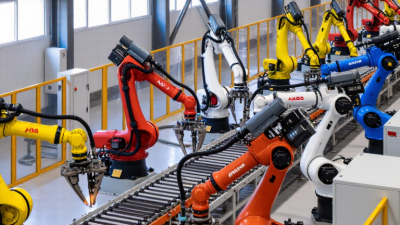
In 2026, choosing an automatic robot means matching its real capabilities to a specific task, not chasing the newest feature. The label can describe a home vacuum, a warehouse mobile unit, or a specialized inspection machine. Their needs differ. A capable model should operate safely in its intended environment, handle routine exceptions, and offer support when something goes wrong. Still, automation is not the same as independence.
Start with the work you want done. Measure doorways, aisle widths, floor transitions, or the area the robot must cover. Check its payload, operating time, navigation method, and performance under realistic conditions. Small details matter. For a warehouse, a robot that struggles around busy intersections may disrupt a whole shift. For a home, noise, thresholds, and maintenance access can shape daily satisfaction. Do not rely on a short demonstration alone. Ask for task-specific test results, service terms, software update policies, and clear information about data handling. Confirm that replacement parts and trained support are available where you operate.
Calculate the full cost, including setup, training, maintenance, consumables, and downtime. A lower purchase price may not mean lower ownership costs. There is no universal best choice. That matters. Before choosing an automatic robot, write down measurable goals and test the leading option against them. Record what it cannot do, too. Some limitations only appear after repeated use, and that is worth acknowledging. The right decision is the one supported by evidence, realistic expectations, and a plan for human oversight. Be realistic. Automation can help, but people still need to monitor results and adjust workflows.
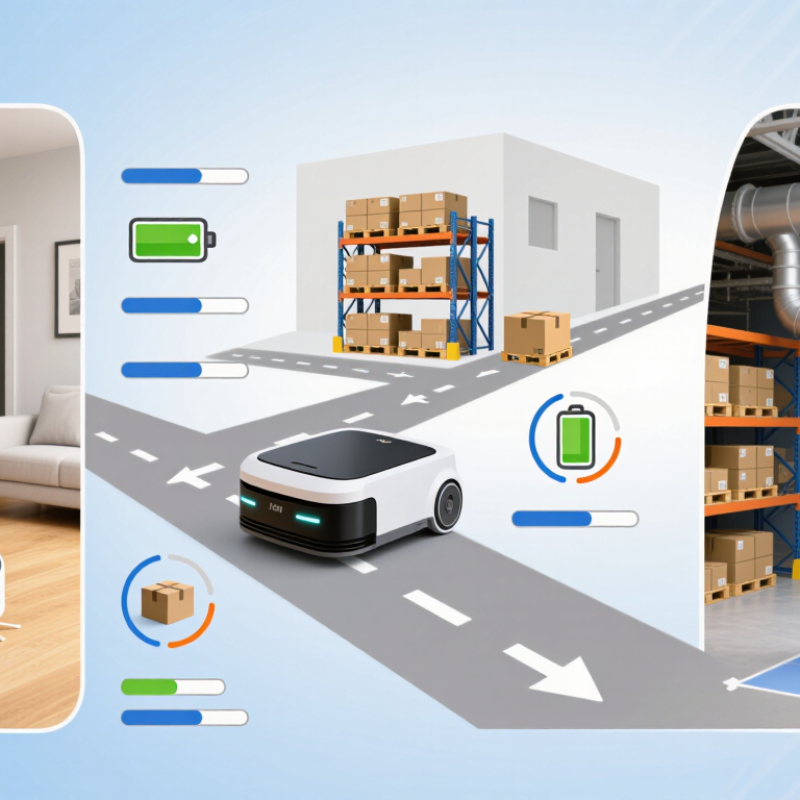
Before comparing automatic robots, describe the job in observable terms. Does it carry bins, inspect shelves, or move parts between workstations? Estimate the load, travel distance, number of daily cycles, and acceptable delay. Be specific. “Move a 12-kilogram tote from the packing table to the lift, six times per hour” gives a clearer starting point than “help with logistics.” Note where people must interact with the robot, and what should happen when a route is blocked. A task that sounds simple may involve several handoffs.
Then map the environment as it actually is, not as a floor plan suggests. Measure doorway widths, aisle clearances, ramps, and the space around charging points. Look for glossy floors, loose cables, changing light, and doors that are sometimes left open. Small details matter. Check wireless coverage along the full route, and observe traffic during the busiest shift. A quiet morning test can be misleading. Consider how the robot detects people and obstacles, and how staff can stop it or request help. A common planning mistake is assuming the site will stay organized. It probably won’t. Test with real loads and normal foot traffic, record pauses and failed trips, then revise the task or layout before choosing a system.
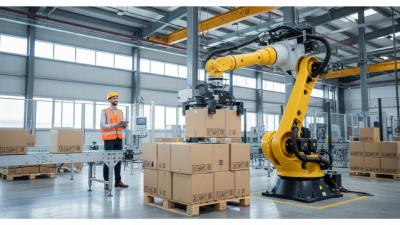
Choosing an automatic robot in 2026 starts with the work it must perform, not its appearance. Autonomous mobile robots move materials through changing spaces, using sensors and maps to avoid obstacles. They suit warehouses with shifting routes. Automated guided vehicles follow more defined paths, making them useful where layouts stay predictable. One is not automatically better.
For picking, packing, or machine tending, a robotic arm offers controlled movement and repeatable positioning. Its reach and payload limit what it can handle. Collaborative robots are designed to work near people, but safe operation still depends on proper setup and task assessment. A small part on a conveyor needs different capabilities from a heavy container on a pallet. The distinction seems obvious, yet it is easy to overlook.
Compare payload, reach, travel speed, accuracy, sensor coverage, and changeover time. Also check how the robot handles a blocked aisle or an unexpected object on the floor. Small details matter. A specification sheet cannot show every awkward corner or slippery surface. If possible, test the robot with real materials and typical shifts, then measure cycle time and operator effort. I would question any choice based on speed alone; faster movement may not improve the whole process.
When choosing an automatic robot in 2026, assess how it navigates your actual rooms, not just a showroom floor. A useful model should map spaces consistently, recognize walls and furniture, and recover after being moved. Check whether it handles rugs, chair legs, and low thresholds without repeated collisions. Watch a full cleaning or work cycle if possible. One impressive demonstration is not enough.
Sensors shape everyday reliability. Look for obstacle detection that responds to cables, shoes, and pet bowls, plus edge or drop sensors where needed. No sensor is perfect. A robot may still miss a dark object or struggle in dim light, so check the manual for operating limits. Connectivity matters too: an app should make schedules, maps, and alerts easy to review. Confirm that setup works with your home network and that basic controls remain available if the internet drops.
Tips: Place a small obstacle in its usual path during a supervised test. Check map accuracy from room to room, then review privacy and update settings. If it gets stuck once, note where and why. Real homes are messy; specifications alone can’t show the whole story.
How to Choose an Automatic Robot in 2026?
A robot should fit the people and space around it, not just perform well in a demonstration. Check how it detects obstacles, slows near workers, and stops when someone presses the emergency control. Test it in the actual work area, including narrow aisles and dim corners. A tidy showroom proves little. Small details matter.
Maintenance can quietly shape daily performance. Ask how often brushes, filters, sensors, or batteries need inspection, and whether staff can replace them without special tools. Request a realistic maintenance schedule and estimate the time each task takes. Dusty floors or long shifts may change those estimates. I would leave some room for surprises; neat plans rarely stay neat.
Read the warranty line by line. Confirm what it covers, how long parts and labor are included, and whether battery wear or accidental damage is excluded. Then calculate total cost beyond the purchase price: consumables, training, software, service visits, energy, and downtime. Compare that figure across the robot’s expected working life. A low initial price can become expensive after repeated repairs. Still, forecasts are imperfect, so ask for assumptions in writing and check whether they match your site.
A practical, brand-neutral guide for comparing household robot vacuums. Cost ranges are illustrative U.S. estimates, not quotes; actual prices and requirements vary by model, seller, and location.
| Decision Factor | What to Check | Practical Benchmark | Why It Matters |
|---|---|---|---|
| Safety around stairs | Look for cliff-detection sensors and instructions for stairs, ledges, and dark flooring. | Confirm the unit is designed to detect drops, and supervise its first runs near stairs. Sensors can be affected by dirt, surface color, or lighting. | Drop detection reduces risk but should not be treated as a substitute for checking the home layout and following the manual. |
| Obstacle handling | Check how the robot deals with cords, small objects, pet toys, and floor-level furniture. | Test in a cleared area first. Even models with obstacle-detection features may miss thin cables or small objects. | Removing loose items helps prevent jams, interrupted cleaning, and damage to objects or the robot. |
| Battery and charging safety | Review the approved charger, charging instructions, battery-care guidance, and service options. | Use only the supplied or explicitly approved charger; keep the charging area dry and unobstructed. | Correct charging and ventilation help reduce avoidable electrical and battery-related risks. |
| Routine maintenance | Check how easily the dustbin, filter, main brush, side brushes, and sensors can be accessed and cleaned. | Plan to empty the dustbin as needed, remove hair and debris from brushes regularly, and clean sensors according to the manual. | Accessible parts and manageable upkeep help maintain cleaning performance and reduce blockages. |
| Replacement parts | Check the availability and price of compatible filters, brushes, mop pads, and batteries. | Compare the cost of a typical yearly set of consumables before buying; replacement intervals depend on use and the manufacturer’s instructions. | Low purchase prices can be offset by costly or difficult-to-find replacement parts. |
| Warranty coverage | Read the written warranty for duration, covered components, exclusions, labor, shipping, and claim requirements. | Coverage varies by product, seller, and jurisdiction. Do not assume the battery, consumables, or accidental damage are covered. | The written terms—not a general product description—determine what repair or replacement support is available. |
| Repair and support | Find out whether troubleshooting, replacement parts, and repair service are available after the return period. | Check the support contact method and whether service requires mailing the unit or can be handled with replaceable parts. | Repairability can affect downtime and long-term ownership costs. |
| Navigation and home fit | Compare mapping, room selection, no-go zones, threshold handling, and compatibility with your floor plan. | Measure tight clearances and note rugs, thresholds, stairs, and areas where the robot should not enter. | A robot that fits the home’s layout is more likely to clean reliably without repeated rescue or manual setup. |
| Three-year cost: entry tier | Estimate purchase price plus routine consumables; exclude electricity, repairs, and any battery replacement. | Illustrative estimate: $150–$300 purchase + $20–$50 per year in consumables = about $210–$450 over three years. | Provides a more useful comparison than purchase price alone. Actual consumable use varies with cleaning frequency and home conditions. |
| Three-year cost: mid-range tier | Use the same cost method and verify the price of model-specific parts. | Illustrative estimate: $300–$700 purchase + $30–$80 per year in consumables = about $390–$940 over three years. | Added features may improve convenience, but do not automatically guarantee lower maintenance or better value. |
| Three-year cost: premium tier | Include consumables for any added mopping or self-emptying functions, where applicable. | Illustrative estimate: $700–$1,500 purchase + $50–$120 per year in consumables = about $850–$1,860 over three years. | Extra automation can add convenience while also increasing purchase and ongoing supply costs. |
| Final comparison | Compare safety features, maintenance effort, written warranty, parts access, and estimated ownership cost side by side. | Choose the model that meets your home’s needs and budget, rather than selecting by feature count alone. | A balanced comparison helps avoid paying for features you will not use or overlooking long-term costs. |
Cost note: The three-year estimates are simple calculations based on the illustrative ranges shown. They do not include taxes, electricity, repairs, optional subscriptions, or battery replacement; verify current local prices and the product’s warranty before purchase.
Match Robot Features to Your Needs and Budget
Start with the job, not the feature list. A robot moving boxes needs reliable navigation and enough payload capacity; one cleaning a home needs obstacle detection, suitable coverage, and easy maintenance. The International Federation of Robotics reported about 205,000 professional service robots sold in 2023, including roughly 113,000 for transportation and logistics. These figures show varied demand, not a guarantee that any model suits your setting. Check the report’s category before comparing products.
Tips: Measure doorways, work areas, and charging access. Test the robot on the actual floor or route, if possible. Compare battery life, replacement parts, and service costs—not just purchase price. A low-cost unit may need more supervision. That can erase the savings.
Set a budget that includes setup and upkeep. For a small task, basic scheduling may be enough; complex spaces may justify mapping or safer obstacle handling. Ask suppliers for documented performance figures and clear warranty terms. I’d still leave room for uncertainty: published tests rarely match every real workplace or home. A robot that performs well in a demo can struggle with a dark threshold, loose cable, or crowded corner. Start with the feature that solves your most frequent problem.