How to Choose the Best Order Picking Robots for Your Business?
In today's fast-paced business environment, choosing the right order picking robots is crucial. These robots streamline warehouse operations and enhance productivity. However, selecting the best one can be challenging. With numerous models available, understanding your specific needs is essential.
Order picking robots vary widely in functionality and design. Some are equipped with advanced AI, while others focus on basic automation. It’s important to analyze what your business requires. Will you need high-speed picking or robust support for heavy items? Each decision impacts your efficiency.
Mistakes in choosing order picking robots can lead to significant setbacks. Investing in the wrong technology may hinder rather than help your operations. Thus, careful evaluation and expert advice are invaluable. Engaging with professionals can guide you toward the most suitable options. Ultimately, the right choice can transform your warehousing and keep you competitive.
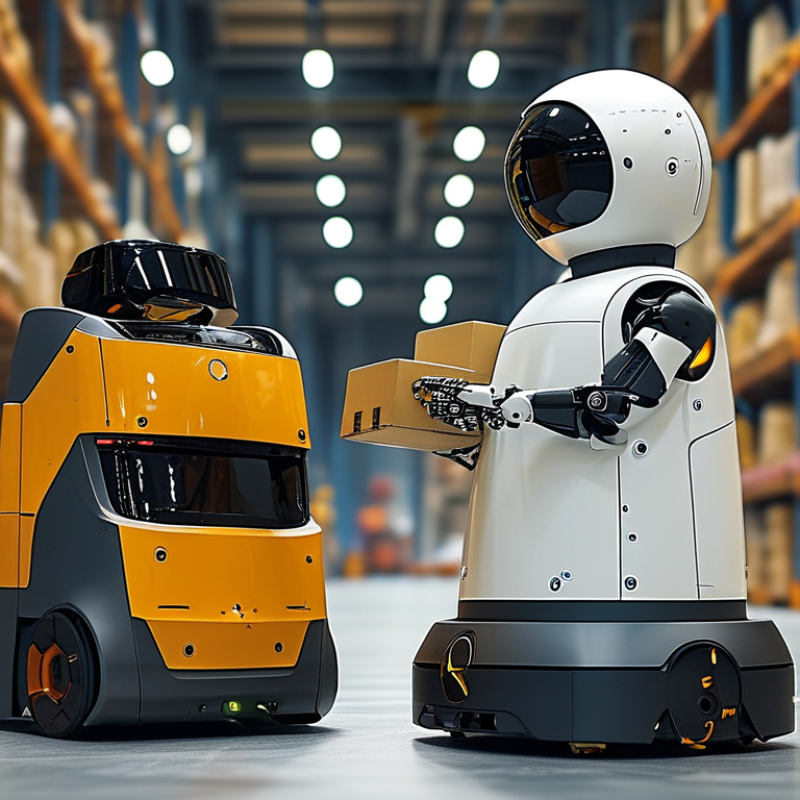
Understanding the Basics of Order Picking Robots and Their Functions
Order picking robots have transformed how warehouses operate. Understanding their functions is key to selecting the right robot for your needs. These robots help in automating the picking process, reducing human error and increasing efficiency. They can navigate aisles, lift products, and interact with inventory management systems.
When considering an order picking robot, think about your specific requirements. Assess the size of your warehouse and the types of products you handle. Some robots are designed for small items while others tackle larger goods effectively. Always examine how a robot integrates with existing systems. Compatibility can significantly impact overall efficiency.
Tip: Focus on the robot’s adaptability. As your business grows, your needs may change. A versatile robot can save you from needing an immediate upgrade. Additionally, look for systems that allow for real-time data collection. This feature enables better stock management and faster decision-making.
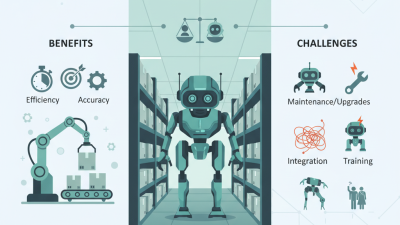
While order picking robots offer numerous advantages, they are not without flaws. Continuous maintenance is essential. Mechanical issues can occur, leading to downtime. Consider a plan for regular checks to ensure reliability in operations.
Order Picking Robots Efficiency by Type
Assessing Your Business Needs and Warehouse Layout for Robot Integration
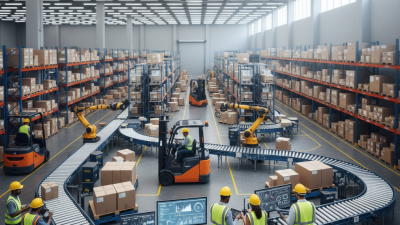
When considering order picking robots, the layout of your warehouse is crucial. Evaluate your space. Are your aisles wide enough for robots? Tight spaces can limit robot efficiency and maneuverability. Open areas can facilitate better robot movement, enhancing productivity. Also, think about your shelving and storage systems. High racks may require different robots than low shelving.
Next, assess your operational needs. How many orders do you process daily? Understanding your volumes helps choose the right robot. High-demand environments may benefit more from advanced robotic systems. These systems can manage multiple items simultaneously. However, their costs and complexity need to be justified against their output.
Lastly, consider the integration challenges. Will your existing systems be compatible with new robots? There may be issues with software and hardware alignment. It's essential to plan this integration carefully. You might face unforeseen obstacles, requiring adjustments along the way. Keeping these factors in mind will lead to better decision-making.
Comparing Different Types of Order Picking Robots Available in the Market
When selecting order picking robots for your business, it's crucial to understand the types available. There are various options, each designed to meet specific needs. Some robots excel in picking speed, while others focus on precision. Automated guided vehicles (AGVs) navigate through pre-set paths, making them ideal for large warehouses. However, they may not adapt well to changing layouts, which could hinder flexibility.
Mobile robots offer more versatility. They can adjust to dynamic environments and often integrate with warehouse management systems. This type is excellent for smaller spaces or when quick adjustments are necessary. However, they may require more maintenance due to their complex technology. It's essential to evaluate your specific requirements before choosing. What works for one operation might not suit another.
Another option to consider is collaborative robots or cobots. These robots work alongside human workers, enhancing productivity without needing extensive safety measures. While they can assist with repetitive tasks, their reliance on human input can lead to mistakes if not monitored closely. Choosing the right order picking robot involves balancing speed, flexibility, and ease of use. Keep in mind the potential drawbacks of each type to make an informed decision.
Evaluating Key Features and Technologies in Order Picking Robots
When evaluating order picking robots, focus on essential features and technologies. Key elements include navigation capability, load capacity, and picking accuracy.
Advanced sensors help robots detect obstacles. Look for options with both autonomous and manual operation modes for flexibility.
Tips: Assess how easily the robot integrates with your existing systems. Compatibility is crucial for a seamless workflow. Also, consider the robot’s maintenance requirements. Some models require more upkeep than others, which can affect your bottom line.
Robots with machine learning can improve efficiency over time. They adapt to your warehouse layout and optimize routes. However, newer technologies may lead to higher initial costs. Reflect on the return on investment before making a decision. Balancing upfront costs with future savings is vital.
Budgeting and Cost Considerations for Implementing Picking Robots
When considering order picking robots, budgeting is key. A well-structured budget takes into account not just the upfront costs, but also ongoing expenses. According to a 2021 industry report by Research and Markets, the average price of a picking robot can range from $20,000 to $500,000. This wide range depends on factors such as the robot's capabilities and the level of customization required.
Moreover, it's crucial to factor in maintenance costs. Estimated maintenance expenditures can reach about 10-15% of the initial investment annually. This often gets overlooked in budgeting discussions. Training staff to operate these robots adds another layer of cost. Research from the Robotics Industry Association indicates that operational efficiency gains can lead to a Return on Investment (ROI) of 20-30% over two to three years. Yet, if implementation is rushed or not adequately planned, these projections might not be realized.
Consideration should also be given to the software that controls these robots. It’s often not included in initial quotes, potentially adding thousands to your budget. Industry insights suggest that integration with existing systems may require additional funds. Balancing advanced technology with realistic financial expectations ensures a more thoughtful procurement strategy.