How to Choose the Best Robotic Palletizing Solutions?
In today's fast-paced industrial landscape, choosing the right robotic palletizing solutions is crucial for maximizing efficiency and productivity. Many businesses face challenges in selecting a system that fits their unique demands. Factors like speed, payload capacity, and compatibility with existing workflows play a vital role in decision-making.
Understanding the specific needs of your operation can be daunting. Companies often overlook critical elements, leading to costly mistakes. Integrating robotic palletizing solutions requires expertise to evaluate various options. It is essential to consider the long-term impact on your facility’s layout and workforce dynamics.
Investing in high-quality robotic palletizing solutions can improve not only speed but also accuracy. However, it’s necessary to reflect on your operational goals before making a choice. Engaging with experts in the field can provide invaluable insights, ensuring that you select a solution tailored to your requirements.
Understanding Robotic Palletizing: Key Concepts and Technologies
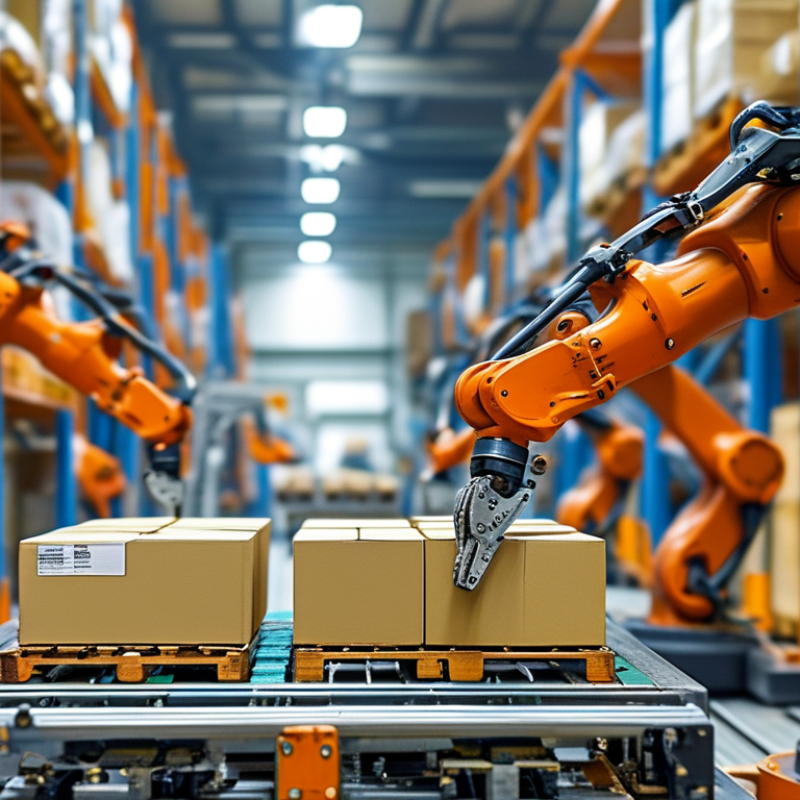
Understanding robotic palletizing is essential for optimizing logistics and production efficiency. These systems utilize mechanical arms to automate the packaging and stacking of goods onto pallets. A key factor to consider is the type of goods being handled. Different products require distinct handling methods. For example, fragile items need gentle handling to avoid damage.
Another important concept is flexibility. Some robotic systems can adapt to varying package sizes and shapes. This adaptability can minimize downtime and enhance productivity. However, not all solutions offer this level of versatility. Businesses should carefully evaluate their operational needs and growth plans before deciding on the technology.
Integration with existing systems is also a crucial aspect. Robotic palletizers must work efficiently with conveyors and warehouse management software. Sometimes, compatibility issues arise, leading to setbacks. Regular assessments can help identify potential integration challenges early. This proactive approach ensures a smoother transition to automated solutions. Overall, understanding these key concepts can guide companies in selecting the right palletizing solutions.
Robotic Palletizing Solutions: Performance Comparison
Identifying Your Business Needs for Robotic Palletizing Solutions
Identifying the specific needs of your business is crucial before investing in robotic palletizing solutions. Start by assessing your production volume and frequency. This data will inform the type of robot required. For example, high-volume environments may need a machine capable of handling heavier loads. Customization is key. Understand if you require a flexible system that adapts to various product types or a dedicated solution for consistent tasks.
Consider the layout of your facility. Is there enough space for a robotic system? Will it fit seamlessly into your existing workflow? These questions are vital. Engage employees in decision-making. They can provide insights on operational bottlenecks and practical challenges. Furthermore, reflect on your long-term goals. Will your current needs change in a few years? Planning for scalability is essential to avoid future limitations in performance. Remember, the pursuit of automation should enhance productivity without introducing complexity.
How to Choose the Best Robotic Palletizing Solutions? - Identifying Your Business Needs for Robotic Palletizing Solutions
| Criteria |
Importance Level |
Budget Range ($) |
Suitable Industries |
Key Features |
| Payload Capacity |
High |
50,000 - 100,000 |
Food & Beverage, Consumer Goods |
Heavy-duty, Durable |
| Speed |
Medium |
30,000 - 60,000 |
Electronics, Pharmaceuticals |
Fast Cycle Time, Efficiency |
| Flexibility |
High |
20,000 - 40,000 |
Logistics, Packaging |
Multi-Configuration, Adjustable |
| Integration |
High |
10,000 - 30,000 |
Manufacturing, Automotive |
Software Compatibility, Modular |
| Maintenance |
Medium |
5,000 - 15,000 |
General Industry |
Low Downtime, Easy Servicing |
Evaluating Different Types of Robotic Palletizers Available in the Market
When evaluating robotic palletizers, consider several key factors to make an informed decision. Different types of palletizers are designed to handle various products and environments. For instance, delta robots excel in speed and can manage lightweight items efficiently. Articulated robots, on the other hand, offer flexibility for diverse shapes and sizes.
The payload capacity is crucial for determining which robotic solution fits your needs. Pay attention to the maximum weight each type can handle. Smaller models may not withstand heavier loads, leading to mechanical failures. Similarly, assess the cycle time of each robot. A slower system can bottleneck your production line.
Furthermore, think about the integration process. Some robotic palletizers may require significant adjustments to your existing setup. This can incur costs and downtime. Choosing a solution that minimizes disruption is wise. Keep in mind, not everyone is aware of the operational nuances. Familiarize yourself with training and maintenance requirements for optimal performance. Recognizing these limitations can help you find the best robotic palletizing solution for your needs.
Factors to Consider When Choosing a Robotic Palletizing System
When selecting a robotic palletizing system, several crucial factors warrant careful consideration. First, assess the specific needs of your operation. Identify the types of products being handled. Consider dimensions, weights, and packaging types. The chosen system must accommodate these factors efficiently. Different industries have varied requirements, and understanding your unique scenario is essential.
Next, think about the flexibility of the system. Robotic palletizers should easily adapt to changing production demands. They must handle various sizes and shapes without extensive reconfiguration. Moreover, look into the ease of integration with your existing machinery. A smooth partnership with current systems can streamline operations significantly.
Lastly, evaluate the support and training offered. Manufacturers should provide comprehensive assistance post-installation. This support ensures optimal performance and longevity of the system. Many businesses overlook this aspect, which can lead to frustration later. An investment in a robotic palletizing solution is significant, so thorough research and reflection on these factors will yield better outcomes.