How to Choose the Right Manufacturing Robot for Your Needs?
Choosing the right manufacturing robot for your business is crucial. According to industry expert Dr. Jane Smith, "Selecting the proper robot can transform your production efficiency." With advancements in automation, the options are overwhelming. Each manufacturing robot comes with unique capabilities and limitations.
Understanding your specific needs is essential. Factors like payload, speed, and integration must align with your goals. Yet, many companies overlook these details. This oversight can lead to costly mistakes. Proper research and assessment of your operations will help mitigate risks.
In this rapidly evolving field, not every robot is suitable for every task. Some organizations may choose robots based on trends rather than suitability. Reflecting on your manufacturing processes can provide clarity. Balancing innovation with practicality is vital for enduring success in robotics.
Understanding Your Manufacturing Needs and Goals
Understanding your manufacturing needs and goals is crucial when selecting a robot. Assess your production volume first. High-volume tasks may require more advanced automation. Low-volume production might benefit from simpler robots. Think about the specific tasks. Are they repetitive, such as assembly, or do they demand flexibility? Identifying these nuances helps narrow down options.
Next, consider the environment where the robot will operate. Will it be a clean room, or are there harsh conditions? This affects the robot's design and durability. Additionally, evaluate your team's skills. Do you have staff who can maintain and operate complex robots? If not, simpler systems might be more suitable.
Finally, think long-term. Your needs may evolve as technology advances. A robot that meets your needs today may not be ideal in the future. Take the time to analyze these factors carefully. Reflection on these points can prevent costly mistakes later on.
Evaluating Different Types of Manufacturing Robots
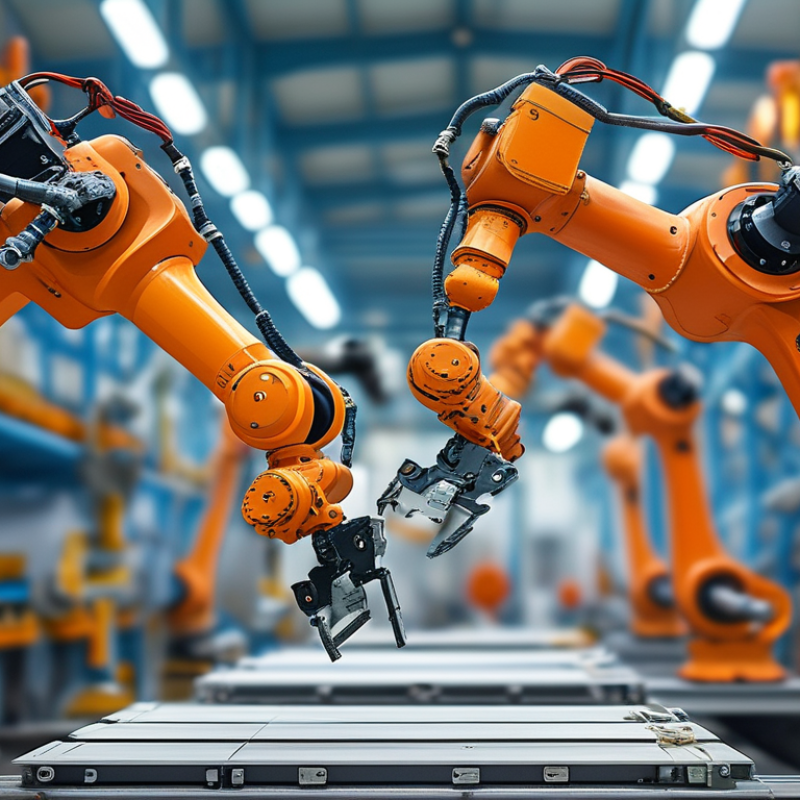
When evaluating different types of manufacturing robots, it is essential to understand your specific needs. Robotics technology varies widely, catering to diverse manufacturing processes. For instance, industrial robots, mostly articulated arms, excel in assembly and welding tasks. In contrast, collaborative robots, or cobots, work alongside humans in more varied roles. According to a report by International Federation of Robotics, the global market for industrial robots is projected to reach $73 billion by 2025, driven by the demand for automation.
End-of-line robots and mobile robots also serve distinct functions. End-of-line robots efficiently handle packaging and palletizing, streamlining productivity. Meanwhile, mobile robots help with material transport within facilities. Research indicates that these robots can reduce operational costs by up to 30% when integrated into existing workflows. However, companies must weigh whether they need high-speed automation or more versatile cobots, which may require lower initial investment but can also present challenges in compatibility with other systems.
Choosing the right robot is not just about technology but also about analyzing workforce dynamics. It involves assessing skills gaps and potential training needs for existing staff. Experts suggest a cautious approach since investing in the wrong type could lead to operational inefficiencies. Companies should consider running pilot programs with different robotic solutions, gaining real-world insights before making significant commitments.
Assessing Budget and Cost Considerations
When choosing a manufacturing robot, budget and cost considerations are crucial. Start by assessing the initial investment needed for the robot. This includes the purchase price, installation fees, and any necessary modifications to your facility. A substantial upfront cost might be daunting. However, it's essential to evaluate the long-term ROI, as a more expensive robot may yield significant productivity gains.
Maintenance and operating costs are equally important. Robots require regular upkeep, and this can add to your overall expenses. Investigate the service agreements and warranty options available. Sometimes, the cheapest option has the highest long-term costs due to frequent repairs or downtime. Consider the training required for your staff as well. Investing in training can lead to higher efficiency and lower operational costs.
Lastly, reflect on your specific needs. Sometimes the right choice isn’t the most powerful or advanced robot; it’s the one that fits best with your budget and production goals. Balancing current financial limitations with future business growth is vital for sustainable operations.
Analyzing Technical Specifications and Capabilities
When selecting the right manufacturing robot, understanding technical specifications is crucial. Key factors to consider include payload capacity, speed, and precision. For instance, a robot designed for heavy lifting may not be suitable for intricate assembly tasks. Knowing the specifics allows manufacturers to match a robot's capabilities with their operational needs effectively.
One essential aspect is the robot's reach. A robot with a limited reach might struggle in larger spaces. Evaluate the layout of your production area before making a choice. Look for robots that offer flexible configurations to adapt to changing demands.
Consider the ease of integration with existing systems. A robot that works seamlessly with your current production line can save time and reduce costs. Not all robots provide straightforward installation procedures or user-friendly interfaces. Researching these elements can help in avoiding potential regrets down the line.
Reflecting on your needs is vital. Understand the gaps in your current process before diving into specifications. Often, what seems like the best technical choice may not align with actual productivity goals.
Considering Integration and Support Options
When considering the right manufacturing robot for your needs, integration and support options are crucial. It's essential to evaluate how smoothly the robot will fit into your existing workflow. Robots come with varied interfaces, so ensure compatibility with your current systems. This might involve checking communication protocols and software compatibility. The goal is to minimize downtime during installation and training.
Support is another vital aspect. Assess the level of customer care provided by the manufacturer. Will they offer regular maintenance and troubleshooting? A manufacturer with robust support can significantly reduce operational hiccups. Additionally, consider training options for your team. Proper training can enhance productivity and safety. Sometimes, initial support may appear adequate, but experience shows that ongoing assistance is essential for long-term success. Companies often overlook the necessity of regular updates and maintenance in their planning, which can lead to operational challenges down the line.