As industries evolve, the integration of industrial robots has become essential. According to a report by the International Federation of Robotics, the global market for industrial robots is projected to reach $70 billion by 2025. This growth reflects the increasing demand for automation in manufacturing processes. With precision and efficiency, industrial robots contribute to higher productivity levels.
Industry expert Dr. Sarah Thompson emphasizes the value of these machines, stating, “Industrial robots not only enhance speed but also improve product quality." Her insights highlight the dual benefits of employing these technologies. Companies that adapt to this shift can reduce operational costs while optimizing workflows.
However, the journey to automation is not without challenges. Some businesses struggle with initial investment costs and training requirements. It’s crucial to assess these hurdles realistically. The benefits of industrial robots are evident, but a thoughtful approach is needed for successful implementation. Balancing ambition with practical constraints can lead to significant long-term gains.
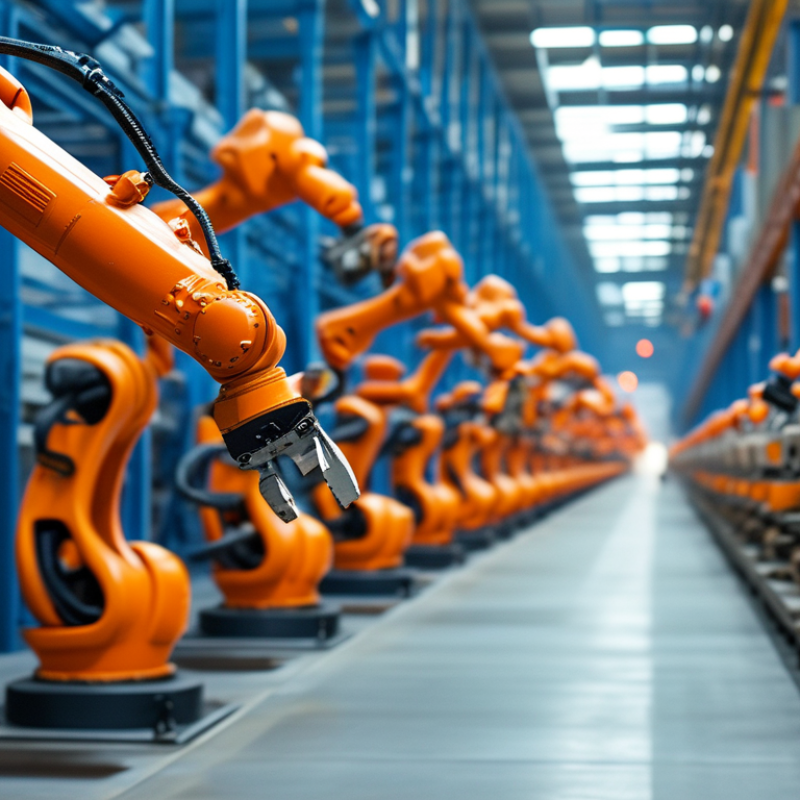
Industrial robots have become crucial in modern manufacturing. These machines are designed to automate tasks that are often repetitive or hazardous. They can significantly increase productivity and efficiency. According to the International Federation of Robotics, the global stock of industrial robots reached 3 million units in 2020. This number is expected to rise steadily, indicating a strong trend toward automation.
The definition of an industrial robot varies. Generally, it's an automated system capable of performing tasks without human intervention. They can handle various activities such as welding, painting, and assembly. A notable report from McKinsey estimates that by 2030, up to 70 million jobs may be displaced by automation, highlighting the growing integration of these technologies into the workforce.
While the benefits of industrial robots are clear, challenges remain. The initial investment can be daunting for small businesses. Moreover, integrating robotics into existing workflows can require significant adjustments. Not all companies are ready for this transition. Understanding the limitations and potential risks is vital for effective implementation.
Industrial robots come in various types, each designed for specific applications. One common type is the robotic arm, often used for assembly and welding tasks. These arms can work with high precision, reducing errors in production lines. They are ideal for repetitive tasks and can operate continuously, boosting productivity.
Another type is mobile robots, which can navigate spaces and transport materials. These are especially beneficial in warehouses, streamlining logistics. Collaborative robots, or cobots, interact safely with human workers. They assist in tasks without safety cages, increasing flexibility. Businesses that adopt these robots may see improved efficiency and reduced labor costs.
However, integrating robots is not without challenges. Employee training is essential for smooth operation. Moreover, the initial investment can be significant. Companies must also consider ongoing maintenance costs. Reflecting on these aspects is crucial to ensure that the implementation of industrial robots aligns with business goals.
Industrial robots can significantly enhance the efficiency of manufacturing processes. These machines perform repetitive tasks with precision. For example, a robot can assemble components in a fraction of the time it would take a human worker. This speed not only boosts productivity but also reduces labor costs.
Moreover, industrial robots minimize errors. They operate under programmed guidelines, ensuring consistency in quality. This leads to fewer defective products and less waste, which can be financially advantageous. Additionally, they can work in hazardous environments, reducing risks for human workers.
However, the integration of robots may face challenges. It can require initial investments and training for staff. Companies must reflect on these factors before making decisions. While the benefits are clear, understanding potential obstacles is essential for successful implementation. Balancing automation and workforce needs is crucial.
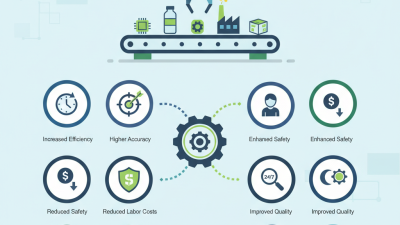
| Benefit | Description | Potential Impact (%) |
|---|---|---|
| Increased Efficiency | Industrial robots can work continuously without breaks, enhancing productivity significantly. | 20-30% |
| Cost Reduction | With lower labor costs and reduced errors, industrial robots can save money in the long run. | 15-25% |
| Improved Quality | Robots provide consistent quality in production, minimizing defects. | 10-15% |
| Enhanced Safety | Automating dangerous tasks improves workplace safety for human workers. | Reduction in incidents by 30% |
| Flexibility | Robots can be programmed for various tasks, allowing for quick adaptation to production changes. | Increased adaptability by 40% |
When considering the implementation of industrial robots, several key factors shape their effectiveness. Understanding the specific needs of your production line is crucial. Not every robot is designed for every task. Take time to analyze your workflow and identify repetitive processes that can benefit from automation. This targeted approach can optimize both efficiency and cost.
Another important factor is employee training. Workers must be equipped to collaborate with robotic systems. Training programs can ease the transition and improve safety. Employees need to understand the capabilities and limitations of the robots. Without proper knowledge, operational mishaps could occur. This investment in human resources is as vital as the robots themselves.
Lastly, evaluate the return on investment (ROI). While initial costs can be high, long-term savings often justify the expense. Track performance metrics post-implementation. Understanding both successes and shortcomings will help fine-tune robotic applications for the future. Reflecting on these elements will lead to a more informed decision-making process in adopting industrial robots.
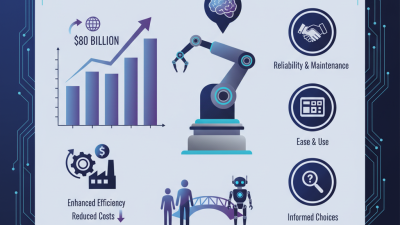
The future of industrial robotics is evolving rapidly. Recent reports indicate that the global industrial robotics market is projected to reach $80 billion by 2025, growing at a CAGR of 10%. This growth is driven by increased automation across various sectors. Companies that adopt these technologies can improve efficiency, reduce operational costs, and enhance productivity.
AI integration is one of the most significant trends. Robots are becoming smarter, allowing for advanced machine learning capabilities. This means they can adapt to new tasks and environments more quickly. According to a study by PwC, 45% of jobs could be automated with today's technology. Businesses should consider how best to leverage these advancements while also preparing their workforce for potential changes.
When exploring industrial robots, keep in mind your specific business needs. Understand that not all solutions fit every scenario. Allocate time for proper training and integration. Balancing technology and human skills is crucial for success. Anticipate challenges during this transition, as the process may not be seamless. Regular evaluation of performance will help refine operations over time.
This chart illustrates the number of industrial robots adopted in various industries as of 2023. The automotive industry leads with the highest adoption at 389,000 robots, followed by electronics and consumer goods industries. This trend showcases the increasing reliance on automation to enhance productivity and efficiency across sectors.