10 Tips to Choose the Best Case Picking Robot for Your Warehouse?
Choosing the right case picking robot for your warehouse is a critical decision. It influences efficiency, costs, and overall productivity. With various options on the market, the selection process can be overwhelming. Understanding your specific needs is vital. Consider factors such as available space, load capacity, and integration with existing systems.
A case picking robot must fit seamlessly into your warehouse operations. Reliability is essential. You want a system that can handle diverse tasks and operate in different conditions. Look for robots equipped with advanced sensing technology. This feature allows them to navigate safely and adapt to real-time challenges.
Additionally, the ease of maintenance and support is often overlooked. A good case picking robot should come with robust customer service. Reflection on your long-term needs is crucial. Think about scalability, as your requirements may grow over time. Balancing initial costs with future benefits will lead you to the best choice.
Understanding Your Warehouse's Specific Needs for Case Picking Robots
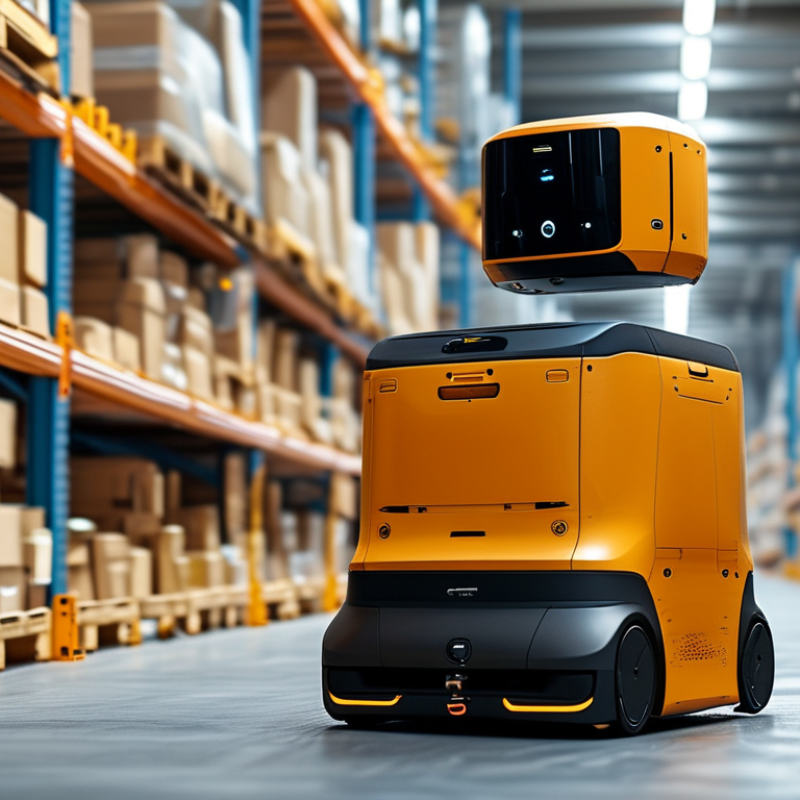
Understanding the specific needs of your warehouse is crucial when selecting a case picking robot. Different warehouses have unique layouts and product assortments. For instance, if your space is tight, a compact robot that can maneuver through narrow aisles may be essential. The weight and size of your products also play a significant role. Larger or heavier items require robots with more robust mechanical capabilities.
Considering operational volume is equally important. A high-volume warehouse may benefit from multiple robots working in tandem. This can optimize efficiency during peak times. Seasonal fluctuations might require a flexible solution, so look for robots that can be easily adjusted or scaled. Additionally, assess the integration capabilities with your existing systems. If a robot cannot communicate effectively with your inventory management software, the benefits may be limited.
It's often easy to overlook the training aspect for staff. Introducing new technology can be met with resistance. It may take time for employees to adapt to new processes. Thus, selecting a robot that offers user-friendly features and training resources can mitigate this challenge. The balance between innovation and practical application ultimately shapes a successful robotic integration.
Evaluating the Different Types of Case Picking Robots Available
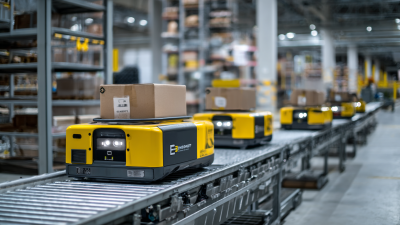
When evaluating different types of case picking robots for your warehouse, it's crucial to assess their capabilities in handling various tasks. You might consider autonomous mobile robots (AMRs) that can navigate your facility. These robots often feature advanced sensors for better obstacle avoidance. The efficiency of these systems can greatly impact your operations.
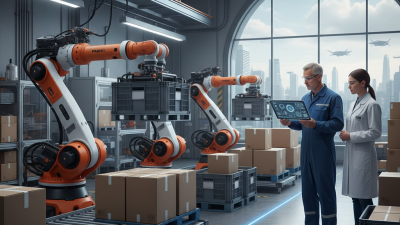
Another option is robotic arms designed for precision picking. They excel at sorting items in diverse shapes and sizes. Such technology often adapts to different product configurations, making it versatile. It’s important to know that some robots can struggle with complex layouts, requiring further evaluation before making a decision.
When selecting a robot, prioritize ease of integration. The best choice should blend seamlessly into your existing workflow. Look for robots that offer user-friendly interfaces. Budget is also a key factor. Investing in high-quality technology could save costs down the line, but it's essential to gauge the long-term benefits.
Finally, consider their maintenance requirements, as some models may demand more attention than others. Your final decision should balance performance, cost, and operational needs to enhance your warehouse's productivity.
Key Features to Look for When Choosing a Case Picking Robot
When selecting a case picking robot for your warehouse, key features are essential for effective operations. A robot's payload capacity is crucial. Most robots in the market can handle between 50 to 800 pounds. Depending on your products, choosing a robot with the right capacity is vital. Look for specifications that outline lift height and reach. An efficient robot can significantly enhance productivity.
Another important feature is navigation capability. Robots equipped with advanced navigation systems can adapt quickly to changing environments. According to industry reports, warehouses utilizing autonomous robots see a 30% increase in picking efficiency. This efficiency is often linked to accuracy levels, which should ideally be above 95%. Inaccurate picking can lead to costly errors and disruptions.
Integration with existing warehouse systems is also vital. Robots must communicate smoothly with your inventory management software. Seamless integration minimizes downtime and maximizes workflow. It's worthwhile to evaluate robots that offer real-time data analytics. Monitoring performance can provide insights into areas for improvement. Given these considerations, ensure that your decision is based on current operational needs and future scalability.
Assessing the Cost vs. Benefit of Implementing a Case Picking Robot
When evaluating the cost versus benefit of implementing a case picking robot in your warehouse, it's essential to consider various factors. According to a McKinsey report, automation can increase productivity by 20-30%. This improvement often translates into significant cost savings over time. However, the initial investment is substantial, with robots costing anywhere from $100,000 to $500,000. It’s crucial to assess how long it will take to recoup this investment through increased efficiency.
Labor shortages are another pressing issue. The U.S. Bureau of Labor Statistics estimates that the logistics sector is experiencing a 6% annual growth in demand for warehouse workers. Investing in robotics can mitigate this gap, allowing businesses to maintain operations without relying solely on human labor. However, the transition must consider employee training and retraining costs. Sometimes, these hidden costs are overlooked, leading to underwhelming returns on investment.
Moreover, integrating a case picking robot isn't just about the upfront cost. Ongoing maintenance and improvements are necessary. Some companies may find that the robots require more frequent adjustments than expected. This can lead to additional downtime and increased operational costs. Therefore, a thorough analysis of total cost of ownership is critical to making an informed decision for your warehouse.
Integrating Case Picking Robots into Your Existing Warehouse Systems
Integrating case picking robots into existing warehouse systems can significantly enhance efficiency. According to a report by the Warehousing Modernization Association, implementing automation can boost productivity by up to 30%. However, it’s essential to evaluate the compatibility of new technology with your current infrastructure. This can prevent costly retrofitting and ensure smoother operations.
Understanding your warehouse layout is crucial. A clear analysis can identify areas where robots can minimize travel time. This consideration is key because the average worker spends about 40% of their time walking. Opt for models that can seamlessly navigate existing shelving and routing systems.
Collaborating with your workforce during the integration process is vital. Their insights can reveal unexpected challenges. Sometimes, the most efficient robots may overwhelm staff if not properly managed. Choosing robots with an intuitive interface can make training more accessible. Be mindful of ongoing maintenance costs, as they can impact overall efficiency.