Top 10 Electronic Vacuum Gauge Manufacturers for Global Buyers
Choosing an Electronic Vacuum Gauge is not simply a matter of comparing prices or brand names. The right instrument must match the pressure range, gas composition, process conditions, and control system. A Pirani sensor may suit rough-vacuum monitoring, while a capacitance diaphragm gauge can provide pressure readings that are less dependent on gas type. Cold-cathode and hot-cathode gauges serve other ranges, but each has operating limits and maintenance needs. Details matter.
Consider a coating chamber with a dusty process and frequent pressure changes. Sensor contamination, response time, connection size, and output compatibility can affect readings and downtime. A specification sheet may look convincing, yet leave questions about calibration intervals, service access, or performance near the edges of its stated range. Small mismatch, real consequences.
This guide to the Top 10 Electronic Vacuum Gauge Manufacturers for Global Buyers offers a practical starting point for comparing established suppliers. It considers product range, technical documentation, application support, customization options, and evidence of quality systems. These points do not guarantee that one manufacturer will fit every project. Buyers should confirm current specifications, calibration procedures, lead times, and local service availability directly with each supplier. A careful comparison can help purchasing teams narrow their shortlist, but the final choice still depends on the actual process and test conditions. Even experienced engineers revisit those assumptions. That is worth doing.
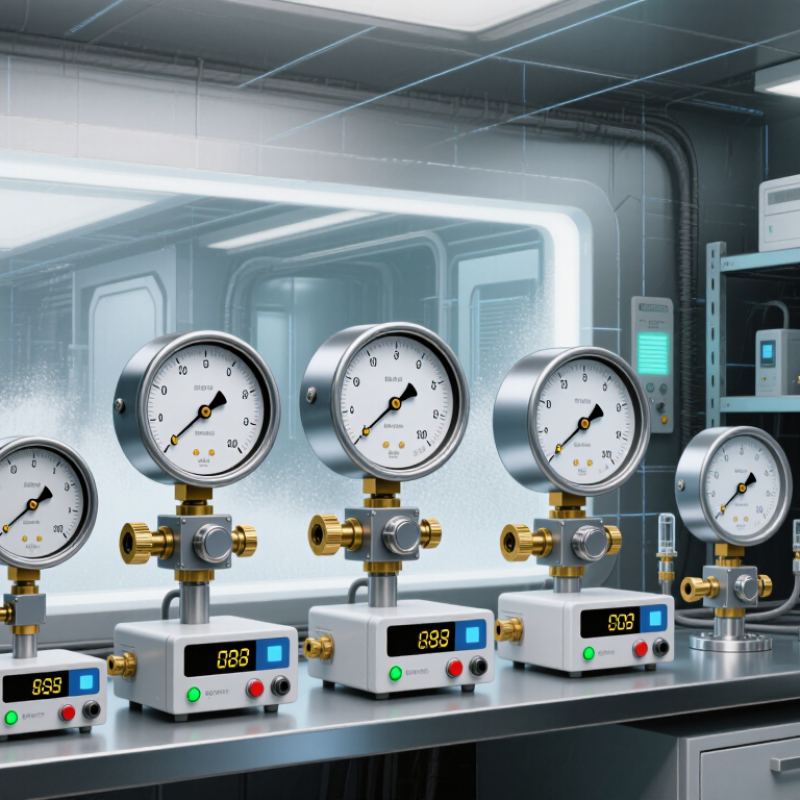
Understanding Electronic Vacuum Gauges and Their Applications
Electronic vacuum gauges measure pressure in systems where ordinary atmospheric instruments cannot provide useful detail. They convert a physical response, such as heat loss or ionization, into a pressure reading. Different gauge designs suit different pressure ranges, gases, and operating conditions. A reading is meaningful only when the sensor matches the process. Small details matter.
These instruments support vacuum coating, laboratory research, semiconductor processing, leak checks, and freeze-drying. In a coating chamber, operators may watch pressure change as pumps remove gas before material is deposited. In research equipment, stable readings help users compare experiments. Yet contamination, vibration, temperature, and gas composition can affect accuracy. A display may look precise while the measurement is not. This is easy to overlook.
Tips: Confirm the required pressure range and gas compatibility before choosing a gauge. Check whether vapors or deposits could foul its sensor. Place it where pressure represents the chamber, not just a nearby pump line. Compare readings with a suitable reference during maintenance, and record the conditions. Leave room for uncertainty; no instrument removes it.
Criteria for Evaluating Vacuum Gauge Manufacturers
Top 10 Electronic Vacuum Gauge Manufacturers for Global Buyers
Criteria for Evaluating Vacuum Gauge Manufacturers
A useful comparison starts with your process, not a catalog. Record normal and worst-case pressure ranges, gas type, temperature, vibration, and mounting space. Then compare gauge type, accuracy, repeatability, resolution, response time, and overpressure limits. A finer display does not guarantee a more dependable reading. Numbers need context.
Ask how calibration is performed and whether certificates state standards, measurement uncertainty, and calibration dates. Useful documentation should cover operating limits, electrical connections, maintenance, and cleaning. Request performance data at the pressure points you actually use, rather than a single convenient point. Also check technical support, spare parts, warranty terms, and delivery consistency. A polished specification can still leave gaps; vague calibration language deserves follow-up, not an automatic rejection.
Tips: Send each supplier the same operating conditions and questions. Compare their written answers, not just quoted prices. If a detail remains unclear, ask for an example certificate or installation drawing before deciding.
Profiles of 10 Leading Electronic Vacuum Gauge Manufacturers
Profiles of ten leading electronic vacuum gauge manufacturers are most useful when compared by measurement range, sensor design, integration, and service. A broad-range supplier may combine several sensing technologies for process monitoring. A capacitance-manometer specialist emphasizes pressure readings less affected by gas composition. Thermal-conductivity makers often target practical, economical monitoring. Cold-cathode specialists serve applications requiring high-vacuum measurement. Combination-gauge suppliers reduce panel space by pairing sensor types. OEM-focused manufacturers adapt connectors and housings to equipment layouts. Process-duty makers prioritize contamination resistance. Metrology-led suppliers emphasize calibration records and traceability. Digital-integration specialists support remote monitoring. Service-oriented manufacturers distinguish themselves through regional calibration and repair access.
These profiles matter as semiconductor investment raises the stakes for stable process control. SEMI’s 2024 year-end forecast placed global semiconductor fab-equipment spending at about $110 billion in 2025; this is industry context, not a gauge-market estimate. Buyers should compare stated accuracy, repeatability, response time, gas dependence, and calibration intervals under their actual operating conditions. Ask for documented test methods, not only catalog specifications. A gauge that performs well in a clean laboratory may drift in a coating chamber. No profile is flawless. Smaller specialists may offer focused expertise but limited service coverage, while broad suppliers can have more complex product ranges. That trade-off deserves a close review.
Comparing Manufacturer Technologies, Products, and Global Reach
Electronic vacuum gauge manufacturers differ less by catalog size than by the measurement problems they solve. Thermal-conductivity gauges suit rough-vacuum monitoring, while cold-cathode and hot-cathode designs cover lower pressures. Capacitance diaphragm gauges measure pressure with less dependence on gas type, but may need careful temperature control. A broad product range is useful only when each model fits the process.
Check the details. Look for stated measurement ranges, response times, connector options, and compatibility with corrosive or condensable gases. In practice, a gauge that reads well on a clean test bench may behave differently near a vibrating pump or warm chamber. That detail matters. Manufacturers also vary in controller choices, digital interfaces, documentation, and calibration support. Buyers should compare these alongside sensor technology, not treat specifications as interchangeable.
Global reach involves more than shipping. Regional service partners, replacement sensors, clear manuals, and accessible calibration can reduce downtime across sites. Ask whether support teams can troubleshoot remotely and whether service intervals are documented. Some suppliers publish impressive technical data yet provide limited local assistance; others offer strong service but fewer specialized models. There is no perfect comparison. Confirm performance against your actual gas mix, pressure range, and installation conditions before choosing.
Key Considerations for Selecting a Supplier
Selecting an electronic vacuum gauge supplier starts with the measurement task, not the catalog. Define the pressure range, gas type, required accuracy, and operating temperature. A gauge used near a pump may face vibration, oil vapor, and frequent pressure changes. Ask how these conditions affect readings and service life. Check calibration procedures, stated uncertainty, and whether the supplier provides traceable certificates. Confirm that output signals and connectors match your controller before ordering.
Supplier support matters after installation. Request clear manuals, wiring diagrams, and guidance on zeroing or recalibration. Ask about replacement parts, repair turnaround, and typical lead times. If possible, test a sample against your existing reference instrument. A polished datasheet can still leave practical questions unanswered. Weigh that carefully. Even experienced buyers can overlook connector compatibility or the cost of routine calibration.
Tips: Share your actual process conditions, not just a target pressure range. Compare accuracy across the range you use most. Keep written records of calibration intervals and support commitments.

