What Are the Top Robot Solutions for 2026?
Joseph Engelberger, a pioneer of industrial robotics, is often quoted as saying, “I can’t define a robot, but I know one when I see one.” The line points to a practical truth: a robot is valuable when it solves a real problem, not merely when it looks advanced. In 2026, businesses will weigh robot solutions against measurable needs such as safer handling, steadier production, and fewer repetitive tasks.
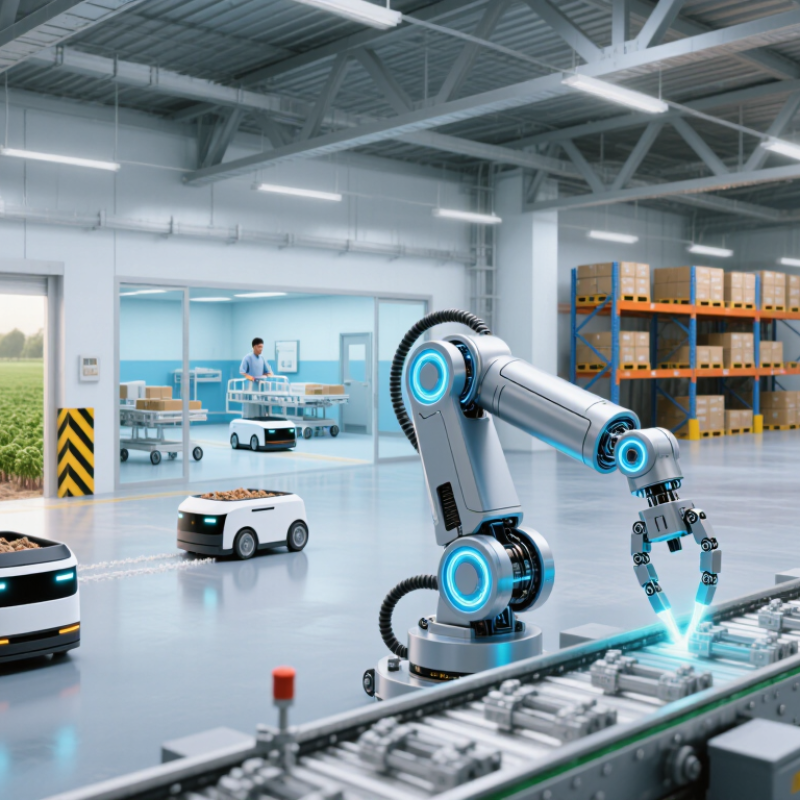
The strongest options will vary by setting. Factories may favor robotic arms and mobile robots that move materials between workstations. Hospitals can benefit from delivery robots, while farms may use automation for monitoring and targeted fieldwork. Warehouses often need systems that coordinate robots with staff and existing software. Not every task fits. The right choice depends on the environment, workload, and level of human oversight.
This guide will compare leading robot solutions by capability, adaptability, integration needs, and likely operating costs. It will also consider setup time, maintenance, worker training, and how performance can be measured after deployment. Reality is messier. A promising demonstration does not guarantee reliable daily operation, and some tasks remain better suited to people. Buyers should ask what the robot can do consistently, what support it requires, and what happens when conditions change. Those questions offer a clearer path to practical automation than chasing novelty.
How Robot Solutions Are Defined and Evaluated for 2026
A robot solution is more than a machine. It combines hardware, software, sensors, safety measures, and human workflows to complete a defined task. For 2026, evaluation should begin with the work itself: moving a tote, inspecting a weld, or delivering materials across a busy floor. What problem does it solve?
A useful assessment measures task success, cycle time, uptime, and recovery after errors. Test the system in the intended environment, not only in a polished demonstration. Record how often people must intervene, how long changeovers take, and whether performance holds across different shifts. Small details matter. A robot that pauses when a pallet is slightly misaligned may disrupt an entire process.
Safety and integration deserve equal attention. Check how the system detects people, handles unexpected obstacles, and communicates with existing equipment. Review training needs, maintenance access, spare-part planning, and total operating costs over time. Compare results against a manual baseline and repeat trials under realistic conditions. Data can still mislead if tests are too narrow. No score captures every constraint, so evaluation should document assumptions, limitations, and the tasks the robot cannot reliably perform.
What Are the Top Robot Solutions for 2026?
A practical view of leading application areas, using the latest full-year global industrial robot installation data as an adoption baseline.
How to read this: Automotive and electrical/electronics had the highest installation volumes, followed by metal and machinery. These figures show adoption, not a 2026 forecast or a ranking of robot capabilities. The best solution for a specific operation depends on task fit, payload, safety, integration needs, and total cost of ownership.
Source: International Federation of Robotics, World Robotics 2024; 2023 installations, rounded to the nearest thousand.
Which Industrial Robots Lead in Manufacturing and Logistics?
Industrial robot choices in 2026 are best judged by the task, not by a single “best” machine.
Articulated robots handle welding, machine tending, and palletizing, while collaborative arms suit lower-volume workstations where people and machines share space. For repetitive, high-speed assembly, fixed automation can still outperform a flexible robot.
The fit matters.
The International Federation of Robotics reported 541,302 industrial robot installations worldwide in 2023. That scale reflects sustained demand for automation, but it does not mean every factory needs a robot. A six-axis arm beside a press can load parts consistently; poor guarding, awkward fixtures, or frequent product changes can still erode the gains.
Small details count.
Logistics has a different leader: autonomous mobile robots and automated guided vehicles move totes and pallets between storage, picking, and packing areas. IFR’s World Robotics 2024 service-robot report recorded about 113,000 sales of professional transport and logistics robots in 2023, up 35% year over year.
That matters.
Yet traffic congestion, uneven floors, and changing routes complicate deployment. A robot fleet may look efficient on a dashboard while workers still wait at a narrow aisle.
Operational data should guide the choice, not the demonstration.
How Service Robots Support Healthcare, Retail, and Hospitality
In 2026, service robots are most useful when they handle routine movement, not clinical decisions. In hospitals, mobile units can carry clean linens, meals, or sealed supply bins between departments. A nurse can spend less time pushing a cart down a long corridor. That matters. Yet elevators, crowded hallways, and changing floor layouts can disrupt routes. Staff need clear ways to pause a robot and report problems, especially during busy shifts.
In retail, robots can scan shelves for empty spaces or guide shoppers to an aisle. A small screen and steady pace may help customers who need directions, while staff focus on restocking and questions. The details matter: narrow aisles, glare on labels, and misplaced products can reduce scanning accuracy. A robot should support employees, not silently replace their judgment. Store teams also need time to check its findings.
Hotels and restaurants can use service robots to deliver towels, room supplies, or dishes along predictable routes. Guests may appreciate a late-night delivery without waiting at the desk. But a robot cannot always read the room: a blocked doorway, a worried guest, or a spill calls for human attention. Some deployments will feel awkward at first. Managers should test routes with staff and guests, then adjust speed, handoff points, and backup procedures before expanding use.
What Roles Do Humanoid and Collaborative Robots Play?
In 2026, humanoid robots may help where workspaces are built for people. Their familiar shape can let them use existing doors, carts, and tools without redesigning an entire site. A robot might carry a tote between shelves or handle a simple inspection route. The hard part is reliability: clutter, slippery floors, and changing lighting can still disrupt movement. Human-like form is not the same as human-level judgment.
Collaborative robots, or cobots, often suit more structured tasks near workers. They can assist with placing parts, tending equipment, or packing small items at a workstation. Their value comes from repeatable motion, not independent decision-making. Sensors and force limits can reduce risk, but each setup still needs a task-specific safety assessment. “Collaborative” does not mean safe in every situation.
The two types can complement each other. A cobot may perform a steady assembly step, while a mobile humanoid could move materials between work areas. That division sounds neat on paper. Real sites are messier. Before choosing either, teams should trial a narrow task and track cycle time, stoppages, error rates, and worker feedback. I would be cautious about judging success from a polished demonstration; a shift’s worth of ordinary interruptions tells a more useful story.