Top Wearable Smart Watch Features That Buyers Need to Know?
As technology continues to evolve, the popularity of Wearable Smart Watches has surged. These gadgets are more than just stylish accessories; they offer a range of features that enhance daily life. With various models available, potential buyers find it challenging to make informed choices. Understanding essential features can help in selecting the right device.
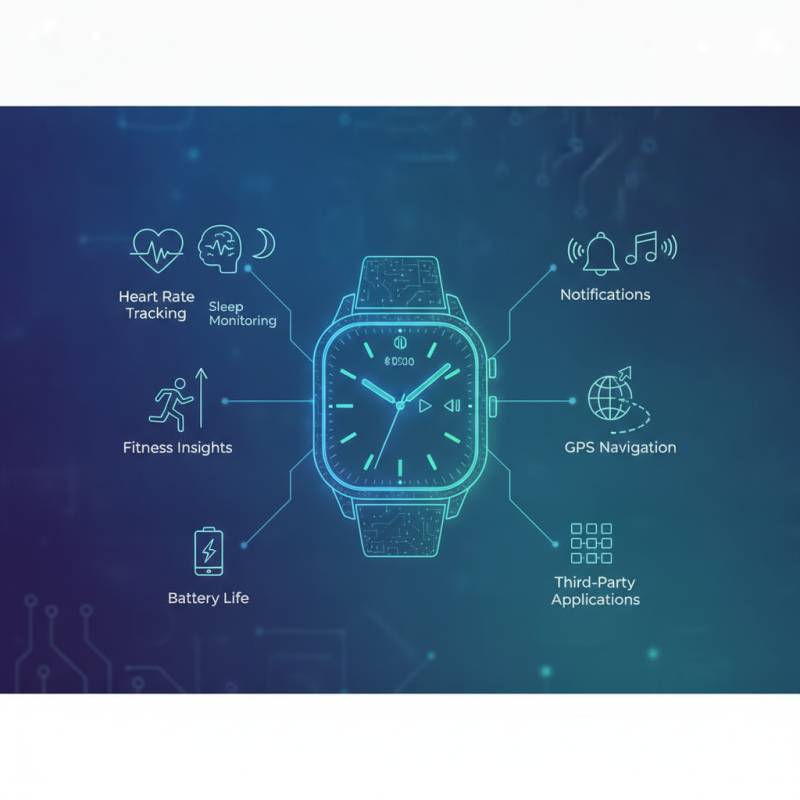
The appeal of wearable smart watches lies in their multifunctionality. They track heart rates, monitor sleep patterns, and provide fitness insights. Users can enjoy notifications, music control, and GPS navigation, all from their wrists. However, not all watches offer the same level of quality or reliability. It’s crucial to consider factors such as battery life and compatibility with smartphones.
While many features seem appealing, buyers must reflect on their needs. Do they need advanced fitness tracking? Are they looking for a device that supports third-party applications? The answers inform what to prioritize in a wearable smart watch. Evaluating options carefully can lead to better purchasing decisions, ensuring the watch suits personal lifestyles.
Key Health Monitoring Features in Wearable Smart Watches
Wearable smart watches have transformed how we monitor our health. These devices provide a range of features that can help in tracking vital signs. Heart rate monitoring is one of the key functions. It helps users understand their resting and active heart rates. Continuous tracking can alert users to irregularities. This information empowers individuals to engage in preventive health measures.
Activity tracking is another vital feature. Smart watches can count steps, monitor distance, and track calories burned. Users can set goals and receive reminders to stay active. This can motivate them to maintain a healthy lifestyle.
Sleep monitoring is also gaining attention. It analyzes sleep patterns and quality. Some users find this data valuable for improving rest. However, not all watches are equally accurate in sleep tracking.
Blood oxygen saturation monitoring adds another layer of health assessment. This feature is essential, especially for athletes. It provides insights into fitness levels and recovery. Ultimately, while these features are impressive, users should remain critical.
Technology may not catch every issue. Engaging with healthcare professionals for comprehensive health assessments remains essential.
Connectivity Options: Bluetooth, Wi-Fi, and Cellular Capabilities
When choosing a wearable smart watch, connectivity options are vital. Smart watches offer three primary connection methods: Bluetooth, Wi-Fi, and cellular capabilities. Bluetooth is common for syncing with smartphones, enabling call and text notifications. According to a survey by Statista, over 60% of smart watch users prefer Bluetooth for easy device connectivity.
Wi-Fi support enhances functionality when away from your phone. Many users find this feature essential for checking emails or updates. The flexibility that Wi-Fi provides allows syncing data conveniently and helps in tracking fitness metrics without needing a phone nearby. However, relying on Wi-Fi alone could leave users frustrated in areas with poor connectivity.
Cellular capabilities offer the ultimate freedom. They enable users to make calls, send messages, and access apps without a smartphone. A report from CCS Insight highlights that nearly 25% of new smart watches will feature cellular connectivity by 2025. However, they often come with additional costs and are usually found in higher-end models.
Tips: Always check battery life. Cellular functions drain power quicker. Balance features with your daily needs, and think about your typical usage patterns. Connectivity is key, but be aware of how it aligns with your lifestyle.
Customizable Interfaces and Watch Faces for Personalized Experience
Customization has become a vital feature of modern smartwatch design. Many buyers are looking for products that reflect their unique style and preferences. One of the most appealing aspects is the variety of customizable interfaces and watch faces.
Creating a personalized experience can enhance user satisfaction. Smartwatches often allow users to choose from an array of watch faces. Users can select themes that resonate with their personality or activity. Some watches even enable users to design their own watch faces using personal photos or art. This kind of flexibility can make a device feel more personal and engaging.
Tips: Take time to explore the options available. Spend a few moments selecting a watch face that feels right for you. Consider switching it up to match your mood or outfit. It’s an easy way to add a fresh touch to your daily look. Remember, customization is about what makes you feel comfortable and confident.
While customization is fun, not all options may be practical. Some watch faces may drain battery life quickly. Certain designs might also make it difficult to read notifications at a glance. Balance aesthetics with functionality to ensure you enjoy your smartwatch experience fully. Always test different settings before settling on a final design that suits your needs.
Battery Life Considerations and Charging Solutions
When selecting a wearable smart watch, battery life is crucial. It determines how often you’ll need to charge the device. The average battery lasts around 1-2 days, depending on usage. Heavy users may find themselves charging their watches more frequently. This often leads to frustration.
Consider varying your usage. For example, turning off notifications can help extend battery life. Additionally, utilizing power-saving modes can be beneficial. Many watches now offer options to limit features to save energy. If you're using GPS often, be prepared to recharge more often.
Tips: To optimize charging, use a quality charger. Cheap chargers may damage the battery over time. Charge your watch overnight to ensure it's ready for the day. Remember that extreme temperatures can shorten battery lifespan. Always store and charge your device in optimal conditions.
Integration with Mobile Apps and Smart Home Devices
Wearable smart watches have evolved to serve as more than just timepieces. They now offer seamless integration with mobile apps and smart home devices. This feature enhances their functionality, making them integral to daily life. For instance, fitness apps can track workouts, while smart home integrations allow users to control lights or adjust thermostats directly from their wrists.
When a smart watch connects with mobile apps, the possibilities become vast. Users can receive notifications, respond to messages, and access essential data without reaching for their phones. This hands-free capability promotes convenience, especially during workouts or busy moments. However, as users rely on these features, questions about privacy and data security inevitably arise. Are all apps designed with user safety in mind? Not necessarily.
Moreover, not all smart home devices are compatible with every watch. Users may find that some features simply do not work as expected. This disconnect can lead to frustration. Understanding which devices and apps integrate effectively can be a thoughtful process. It’s crucial for potential buyers to evaluate their needs and research accordingly. While smart watches present exciting opportunities, it's essential to remain mindful of their limitations and the importance of a well-informed choice.
Top Wearable Smart Watch Features That Buyers Need to Know
| Feature | Description | Integration Capability |
| Health Monitoring | Tracks heart rate, sleep patterns, and activity levels. | Compatible with health apps like fitness trackers and wellness programs. |
| Notifications | Receive alerts for messages, calls, and app notifications. | Integrates with mobile operating systems like iOS and Android. |
| GPS Tracking | Provides location tracking for outdoor activities. | Works with navigation apps and mapping services. |
| Smart Home Integration | Controls smart home devices like lights and thermostats. | Supports platforms like home automation systems. |
| Voice Assistants | Enables voice commands for hands-free operation. | Integrates with virtual assistant services for task management. |
| Customizable Watch Faces | Allows users to personalize look and feel. | Compatible with various watch face apps for customization. |

