Top Robot Picking Systems for Global Buyers?

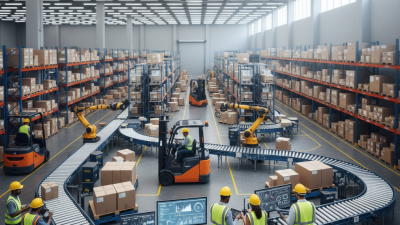
Global buyers need more than a polished demonstration when evaluating robot picking systems. A modern robot picking cell may combine machine vision, artificial intelligence, adaptive grippers, conveyors, and warehouse software. Each part affects accuracy, speed, maintenance, and operating costs. In a warehouse, a camera may identify mixed products while a soft gripper lifts a dented carton without tearing it. These practical details often decide whether a system performs reliably during long shifts.

This guide examines leading robot picking solutions for manufacturers, distributors, and fulfillment operators. The analysis considers picking speed, product range, integration requirements, worker safety, service support, and total ownership costs. It also reviews evidence from technical documentation, system integrators, customer deployments, and controlled performance tests. A system that handles 120 picks per minute may struggle with reflective packaging or irregular shapes. That difference matters.

Not every impressive demo reflects daily conditions. Dust, changing product sizes, limited floor space, and software delays can expose weaknesses. Our comparisons therefore focus on measurable results and realistic deployment challenges. Local safety rules, electrical standards, data requirements, and import conditions also deserve careful review. No system is perfect. Even experienced teams can underestimate training time or maintenance needs. Reliable decisions come from site trials, clear acceptance criteria, and honest conversations with suppliers. The strongest choice is not always the fastest machine. It is the solution that remains safe, serviceable, and productive as operations change.

Top Robot Picking Systems for Global Buyers?

Robot Picking Systems: Definition, Scope, and Core Functions

Top Robot Picking Systems for Global Buyers?

Robot Picking Systems: Definition, Scope, and Core Functions

A robot picking system combines robotic arms, cameras, software, grippers, and safety controls. It identifies products, selects them, and places them into cartons, bins, or trays. In practical warehouse projects, the system must handle uneven shapes, changing product sizes, and limited floor space. Picking is not simply a movement task. It is a coordinated process involving detection, decision-making, gripping, placement, and quality checking.

The scope can cover item picking, order sorting, case handling, pallet preparation, and machine tending. Core functions include image recognition, position calculation, motion planning, grasp control, and real-time error detection. Some systems use suction, while others use mechanical fingers or hybrid tools. The correct choice depends on surface texture, weight, speed targets, and product fragility. A design that performs well in demonstrations may struggle with dusty packaging or transparent items. That deserves honest testing.

Tips: Ask suppliers for sample trials using your actual products. Measure successful picks, damaged items, recovery time, and operator workload. Check whether the software can connect with warehouse systems and production data. Leave room for maintenance access. Small access problems become expensive delays. Buyers should also review training, spare parts, safety documentation, and local technical support. Performance figures need context; a high cycle rate may not reflect real mixed-product operations.
Top Robot Picking Systems for Global Buyers

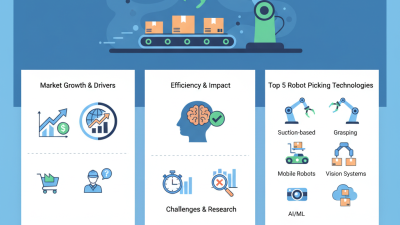
Robot picking systems combine machine vision, robotic arms, end-of-arm tooling, conveyors, and warehouse software to identify, grasp, move, sort, and place products. The chart shows typical operating throughput ranges by system function.

Throughput is shown as an indicative operating range based on common industrial automation specifications. Actual performance depends on product size, weight, item presentation, gripper type, vision accuracy, layout, and integration requirements.

How Robot Picking Systems Identify, Grasp, and Move Products

Top Robot Picking Systems for Global Buyers?

Robot picking systems follow a practical three-step cycle: identify, grasp, and move. A 3D camera scans each item’s shape, position, color, and surface. Software then compares the image with stored product data. It must also estimate depth when items overlap inside a tote. This is where lighting, dust, transparent packaging, and reflective surfaces create trouble.

The gripper changes with the product. Vacuum cups suit sealed cartons and smooth bags. Fingered tools handle irregular objects more securely. Some systems adjust grip pressure after sensing contact. They move products through planned paths, avoiding shelves, workers, and nearby containers. The International Federation of Robotics reported 541,302 industrial robots were installed worldwide in 2023, showing the scale of automation demand. However, industrial robot growth does not guarantee reliable picking in mixed-product warehouses.

Real performance depends on more than speed. The MHI 2024 Annual Industry Report indicated that 39% of surveyed supply-chain organizations were using robotics and automation.

Picking accuracy, recovery time, maintenance access, and data integration deserve equal attention. A failed grasp can damage packaging or stop a workstation. Small errors become expensive.

No system is flawless.

Buyers should test real products, not only sample objects. They should measure successful picks, misplaced items, cycle time, and recovery behavior. A polished demonstration may hide difficult edge cases. Transparent packaging still exposes weak vision. Cold storage can reduce suction reliability. The best system is often not the fastest one, but the one that fails safely and learns from imperfect data.

Main Types of Robot Picking Systems for Different Industries

Top Robot Picking Systems for Global Buyers?

Robot picking systems vary by product shape, storage method, and handling risk. Vision-guided piece picking suits e-commerce and apparel warehouses. A camera identifies loose items, while a soft gripper handles cartons, bags, or irregular packages. Bin-picking systems work better for mixed components in automotive and electronics production. They use three-dimensional vision to locate parts inside crowded containers, although reflective surfaces can still confuse detection.

Case-picking and palletizing systems fit grocery, beverage, and consumer-goods operations. They move full cartons at higher speeds and maintain stable pallet patterns. Depalletizing systems reverse that process for inbound goods. Pharmaceutical facilities often require cleanable equipment, traceability, and gentle handling. Mobile picking robots can transport shelves or totes, reducing walking distance, but they do not remove every bottleneck.

The International Federation of Robotics reported 541,302 industrial robots installed worldwide in 2023. Its World Robotics 2024 report also recorded more than 4.28 million robots in operational use. These figures show strong automation maturity, not guaranteed picking success. MHI’s 2024 Annual Industry Report found that many supply-chain organizations are increasing technology investment, including robotics and automation. Buyers should test real products, not ideal samples. That lesson is easy to overlook. Dust, damaged packaging, and unstable cartons can reduce accuracy. A practical system balances cycle time, gripper reliability, vision performance, worker safety, and maintenance access. No single type wins every industry.

Key Factors Global Buyers Should Compare Before Purchasing

Top Robot Picking Systems for Global Buyers?

Global buyers should compare more than picking speed. A reliable review starts with real operating conditions. Test the system using actual cartons, bags, and product sizes. Measure cycle time, error rates, reach, payload, and recovery after a failed pick. A machine that handles one perfect item may struggle with crushed packaging or mixed bins. Ask for recorded performance data, not only sales estimates. Small details matter.

The gripper deserves close attention. Check whether it handles dusty surfaces, flexible packaging, and uneven product shapes. Review integration with warehouse software, scanners, conveyors, and existing control systems. Clear interface documentation reduces commissioning delays. Training should include fault recovery, routine inspection, and safe restart procedures. Local technical support can be more valuable than a slightly faster robot. Remote help is useful, but it cannot replace every on-site skill.

Buyers should also compare total ownership costs. Include installation, spare parts, software updates, energy use, training, and planned downtime. Request safety documentation and a site-specific risk assessment for each operating area. Confirm that electrical, machinery, and workplace requirements are addressed in the destination country. Independent acceptance testing is wise. Still, no comparison is perfect. Supplier references may describe ideal conditions, while your warehouse has seasonal peaks, inexperienced operators, and limited space. A small pilot can reveal uncomfortable facts before a large purchase.

Installation, Integration, Safety, and Maintenance Requirements

Choosing a robot picking system involves more than payload and cycle time. The International Federation of Robotics reported 541,302 industrial robot installations worldwide in 2023. That scale makes installation planning increasingly important for global buyers.

Before delivery, confirm floor loading, electrical capacity, compressed-air quality, network access, and temperature limits. A fast installation is not always a good installation.

Integration should begin with the full material flow. Map conveyors, scanners, grippers, storage locations, and operator access points.

Test product variation, reflective packaging, dust, and damaged cartons. These details often expose weaknesses that factory demonstrations hide.

Use documented interface requirements for warehouse software, safety controls, and data exchange. Poor integration can create manual workarounds and reduce the expected labor benefit.

Safety validation must cover guarding, emergency stops, restricted zones, and restart behavior. ISO 10218 and ISO/TS 15066 provide useful frameworks for industrial robot risk assessment and collaborative applications.

Local regulations still control the final acceptance process. Maintenance plans should specify inspection intervals, spare parts, calibration checks, software backups, and technician training.

The U.S. Bureau of Labor Statistics continues to classify maintenance work as a substantial occupational activity, but many automation projects understate this need.

Schedule preventive checks around real operating hours, not optimistic estimates. Leave room for learning; the first maintenance plan is rarely perfect.