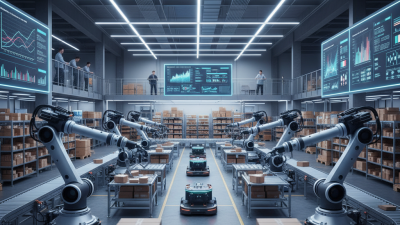
Top FANUC Palletizing Robots for Global Buyers
Global manufacturers are reassessing palletizing as labor shortages, rising throughput demands, and product variation reshape warehouse operations. The International Federation of Robotics reported 541,302 industrial robots were installed worldwide in 2023. That figure signals strong automation momentum. However, it does not prove that every factory needs a robot.
A fanuc palletizing robot can handle cartons, bags, trays, and mixed-case loads with consistent motion. Its value depends on payload, reach, cycle time, gripper design, and integration quality. Interact Analysis has identified material handling as one of the largest application areas for industrial robotics. Packaging lines remain especially demanding. A robot may repeat a neat 20-kilogram lift thousands of times daily, beside conveyors, sensors, and pallet dispensers.
FANUC chairman Yoshiharu Inaba has said, “FANUC is a company that is dedicated to automation.” That principle is visible in FANUC’s long experience with robotics, controls, and factory connectivity. Still, brand reputation alone cannot replace application testing. A poorly selected end-of-arm tool can create unstable stacks, crushed cartons, or costly stoppages.
This guide compares leading FANUC palletizing robots for global buyers. It considers payload capacity, operating envelope, speed, safety features, programming, maintenance, and regional support. Specifications can look impressive on paper. Real performance may change with box friction, pallet patterns, floor conditions, and operator training. Those details deserve honest attention. The best model is not always the fastest one. It is the machine that fits the complete line.
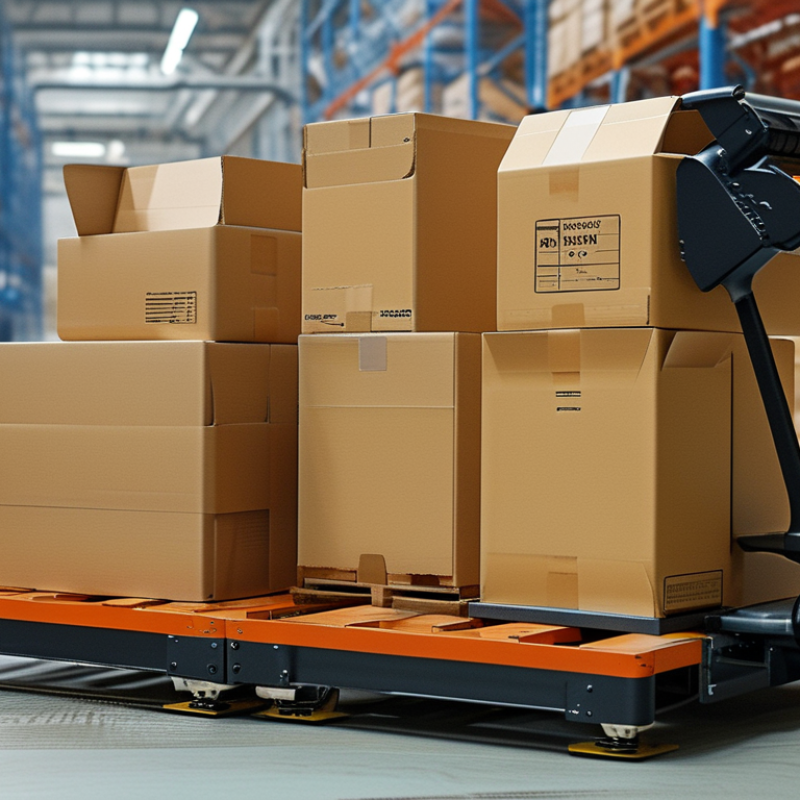
FANUC Palletizing Robot Families: 80–500 kg Payload Classes
Industrial palletizing robots are commonly selected across 80–500 kg payload classes. The 80–120 kg range suits cartons, bags, and compact cases. These robots often fit narrow production cells with limited floor space. A short reach can reduce cycle time. It can also restrict pallet patterns.
The 180–250 kg class supports heavier cases and larger end-of-arm tools. In plant evaluations, this range often balances speed, reach, and energy use. A 300–500 kg robot handles dense loads, bulk containers, and multi-case layers. However, higher payload does not automatically mean better performance. The robot must move the load, gripper, brackets, and product safely. A heavy vacuum tool may consume useful capacity.
Pallet height matters. So does conveyor elevation. A 500 kg model may need stronger foundations and more guarding space. The 80 kg class may reach the pallet faster, but it can struggle with unstable loads. Test the real product, not an empty box. Measure cycle time under heat, dust, and uneven case dimensions. Small alignment errors can create leaning stacks. That detail is easy to miss. Load distribution, wrist torque, and emergency stop behavior also deserve review. Published specifications are useful, yet production data can disagree. Allow time for one redesign.
M-410iC Models: Comparing 185–500 kg Payloads and 3,143 mm Reach
The M-410iC palletizing range gives global buyers a practical choice between 185 and 500 kg payloads. Its maximum reach extends to 3,143 mm, supporting wide pallet layouts and tall production cells. The 185 kg version suits lighter cartons, bags, and mixed-case handling. Higher-capacity versions manage dense loads, layered products, and heavier industrial containers.
Payload alone should not decide the purchase. End-effector weight reduces the available product load. Acceleration, carton shape, pallet height, and cycle pattern also affect performance. A 500 kg rating may look impressive, but a poorly matched gripper can waste that capacity.
Measure the real load, including clamps, vacuum frames, hoses, and fittings. Then test the longest reach position, where movement can feel less stable.
From hands-on cell planning, I would check floor space before requesting a quotation. A 3,143 mm reach needs safe clearance around pallets, conveyors, fencing, and service areas. The robot may reach the target, yet the complete cell might not fit comfortably. This is easy to overlook. Buyers should compare cycle time using their actual product pattern, not a showroom demonstration. I would also leave room for future tooling changes, because today’s package may not match next year’s load.
Throughput Analysis: Cycle-Time Targets for 24/7 Palletizing Operations
Top Palletizing Robots for Global Buyers
Throughput depends on more than a robot’s advertised speed. For 24/7 palletizing, define the cycle-time target from actual product flow. A system handling six cases per cycle at 12 seconds can reach 1,800 cases per hour theoretically. After stops, safety checks, layer changes, and replenishment, practical output may fall to 1,450–1,600 cases per hour. That gap matters.
Case weight, carton stability, pallet height, and gripper movement all affect performance. A short transfer path usually saves valuable seconds. Mixed product patterns can add motion and create delays. Measure the complete cycle, not only the arm movement. In factory trials, I would record at least eight hours of operation. One clean demonstration is not enough. A perfect model is not reality.
Tips: Set a realistic target below peak speed. Leave 10–15% capacity for product variation and minor downtime. Check whether conveyors, pallet dispensers, and stretch wrapping can match the robot. Keep a buffer before palletizing, especially when upstream equipment runs unevenly. Review rejected cases, misplaced layers, and operator interventions each week. These small losses often reveal the real bottleneck.
Top FANUC Palletizing Robots for Global Buyers - Throughput Analysis: Cycle-Time Targets for 24/7 Palletizing Operations
| Load Application |
Typical Payload per Pick |
Target Cycle Time |
Theoretical Picks per Minute |
Sustained Throughput per Hour
(85% Runtime Factor) |
Estimated Units per 24 Hours |
Estimated Pallets per Day
(60 Units per Pallet) |
Typical Nominal Payload Class |
| Light cartons |
Up to 10 kg |
4.5–5.5 seconds |
10.9–13.3 |
556–680 units |
13,344–16,320 |
222–272 |
10–20 kg class |
| Medium cases |
10–15 kg |
5.5–6.5 seconds |
9.2–10.9 |
471–556 units |
11,304–13,344 |
188–222 |
20–35 kg class |
| Heavy bags or cases |
15–20 kg |
6.5–8.0 seconds |
7.5–9.2 |
383–471 units |
9,192–11,304 |
153–188 |
35–50 kg class |
| Large or unstable cases |
20–25 kg |
8.0–10.0 seconds |
6.0–7.5 |
306–383 units |
7,344–9,192 |
122–153 |
50–80 kg class |
| Light trays or multipacks |
Up to 8 kg |
3.5–4.5 seconds |
13.3–17.1 |
680–874 units |
16,320–20,976 |
272–350 |
10–20 kg class |
Planning basis: Throughput estimates assume one pick-and-place cycle per unit, stable product presentation, a clear robot envelope, and an 85% runtime factor covering normal stops, product changes, pallet exchange, and minor recovery events. Actual results vary with pallet pattern, conveyor spacing, gripper design, product dimensions, safety requirements, and line integration. Cycle-time figures are engineering targets for continuous 24/7 operation rather than guaranteed performance values.
Safety and Compliance: ISO 10218, CE Marking, and IP67 Protection
When global buyers evaluate palletizing robots, safety evidence should come before speed, reach, or quoted price. ISO 10218 provides a practical framework for robot design, safeguarding, risk reduction, and responsible integration. In factory audits, I look for guarded cells, reliable interlocks, emergency stops, and clear recovery procedures. Small details matter. A safety circuit that works during testing may fail after maintenance or rushed changeovers.
CE marking indicates that the complete machine or system meets applicable European conformity requirements. It is not merely a sticker on the robot cabinet. Suppliers should provide a technical file, risk assessment, declarations, manuals, and verification records. Buyers should confirm who carries integration responsibility, because a compliant component does not automatically make the whole cell compliant. This point is often overlooked.
IP67 protection helps shield suitable robot components from dust and temporary water immersion. It does not protect every cable, connector, gripper, or control enclosure in the same way. Check washdown pressure, chemical exposure, drainage, and actual cleaning routines before selecting protection levels. I prefer witnessed testing and traceable inspection records over confident sales language. Even experienced teams miss something occasionally. That is why documented commissioning, operator training, and periodic safety reviews remain essential. A careful buyer also asks whether the proposed safeguards fit local workplace rules and the real production layout.
Safety and Compliance for Palletizing Robots
The chart shows the two numerical protection levels represented by an IP67 rating under IEC 60529:
level 6 indicates a dust-tight enclosure, while level 7 indicates protection against temporary immersion
in water up to 1 metre for up to 30 minutes. ISO 10218 addresses industrial robot safety requirements,
while CE marking indicates conformity with applicable European Union requirements; neither is expressed
as a numerical performance score.