China Best Industrial Robot Palletizer Suppliers?

China has become the world’s largest market for industrial automation, making supplier selection more complex than a simple price comparison. For manufacturers, an industrial robot palletizer must handle cartons, bags, cases, or mixed products reliably at the end of a fast production line.

The International Federation of Robotics reported 541,302 industrial robot installations worldwide in 2023. China accounted for 276,288 units, or approximately 51% of global installations. Its operational robot stock also reached about 1.75 million units, according to World Robotics 2024. These figures show strong manufacturing capacity. They do not automatically prove superior palletizing performance.

As Marina Bill, former President of the International Federation of Robotics, stated, “China is the world’s largest robot market and continues to be a major driver of global growth.” Her observation gives useful context, but buyers still need evidence from the factory floor.

A dependable industrial robot palletizer should offer stable cycle times, accurate layer formation, simple programming, and accessible technical support. Look closely at gripper design. A weak vacuum system may drop dusty cartons. Poor case alignment can create uneven pallets within minutes.

Reports from IFR support China’s market strength. Supplier claims require independent testing. That distinction matters.

This guide examines leading China-based suppliers through practical criteria, including payload range, palletizing speed, integration experience, safety functions, spare-parts availability, and after-sales response. Some vendors may appear impressive online yet provide limited documentation. Others may cost more but reduce downtime over several years. The best choice depends on product weight, packaging variation, floor space, and required production hours—not only on the lowest quotation.
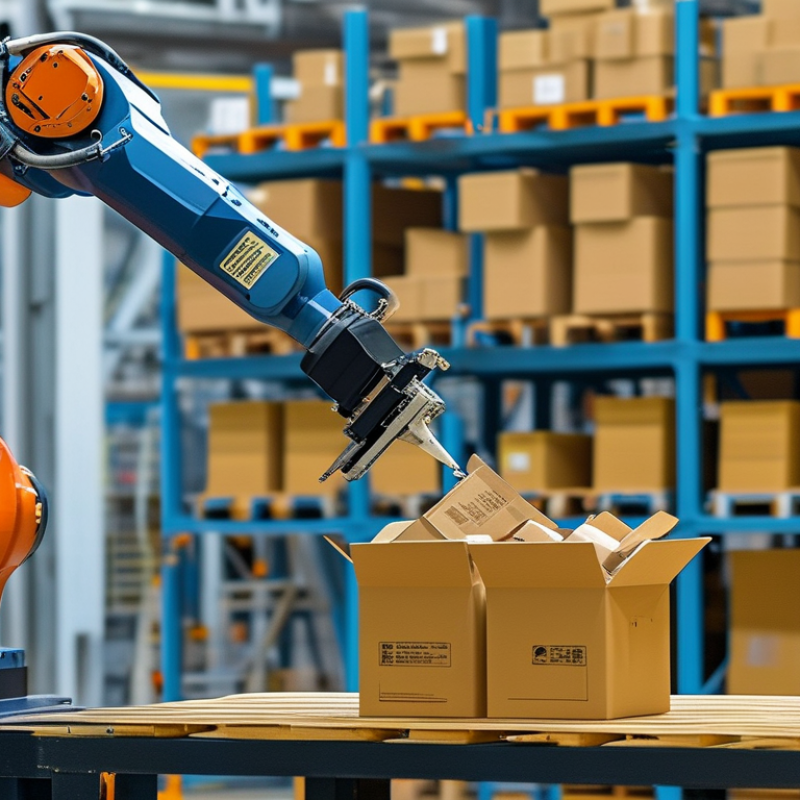
China Best Industrial Robot Palletizer Suppliers?

What Is an Industrial Robot Palletizer?

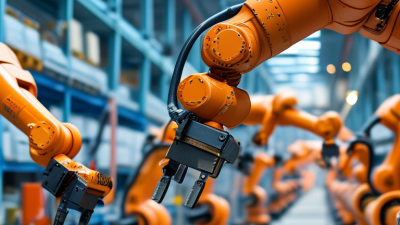
An industrial robot palletizer is an automated system that places cartons, bags, trays, or cases onto pallets. It uses a programmable robotic arm, gripper, conveyor, and control system. The robot follows a planned pattern, building stable layers at consistent speed. Unlike manual stacking, it can repeat the same movement for many hours with less physical strain.

In practical operation, packages arrive on a conveyor and pass through sensors or positioning guides. The gripper then lifts each load and places it according to the selected pallet pattern. Vacuum, clamp, fork, or hybrid tools may be used. The correct choice depends on package weight, surface texture, shape, and production speed. A reliable system also needs guarding, emergency stops, access controls, and clearly documented operating procedures.

Details matter. A poorly centered carton can weaken an entire layer. Dust, uneven floors, and changing package sizes can also reduce accuracy. The first layout is rarely perfect. Engineers should test real products, measure cycle time, and review maintenance access before installation. A rushed specification may look efficient on paper but create daily delays. When comparing industrial robot palletizer suppliers, buyers should examine integration experience, safety documentation, training, spare-part support, and response times. A capable supplier explains limitations openly and adjusts the design after factory trials. That practical honesty is often more valuable than impressive performance figures.


China Best Industrial Robot Palletizer Suppliers? — What Is an Industrial Robot Palletizer?

An industrial robot palletizer automatically picks, arranges, and stacks cartons, bags, cases, or containers onto pallets. The chart compares representative payload and throughput levels commonly used when selecting a palletizing robot.

The figures are representative industry planning values. Actual performance depends on product weight, gripper design, pallet pattern, conveyor layout, and required cycle time.

How to Evaluate Chinese Palletizer Suppliers

Evaluating Chinese palletizer suppliers requires more than comparing quotations. According to the International Federation of Robotics’ World Robotics 2024 report, China installed 276,288 industrial robots in 2023, representing about 51% of global installations. This scale suggests strong manufacturing experience, but it does not guarantee palletizing competence. Ask for videos, cycle-time records, payload tests, and references from similar packaging lines.

Define the real application first. Confirm carton dimensions, product weight, pallet pattern, layer changes, line speed, and available floor space. A capable supplier should simulate unstable boxes and mixed product batches. Request a factory acceptance test using your actual products. Numbers need proof. Visit the factory if possible. Check welding quality, cable protection, guarding, sensor placement, and control-panel documentation. Safety design should align with ISO 10218 and relevant local requirements.

Service capability often separates reliable suppliers from attractive bidders. Review spare-parts availability, remote-support procedures, response times, training, and software ownership. Ask for the complete cost over five years, including grippers, maintenance, energy, and production downtime. The PMMI 2024 packaging automation research highlights labor pressure and productivity as major automation drivers, yet automation only pays when uptime is measurable. I would not judge a supplier by speed alone. A faster robot may damage cartons or demand constant adjustment. My evaluation can still miss hidden costs, so require transparent acceptance criteria, written performance guarantees, and staged payments linked to verified results.

Key Technologies Used in Robotic Palletizing

China Best Industrial Robot Palletizer Suppliers?

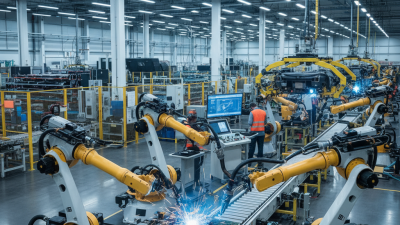
When evaluating China-based industrial robot palletizer suppliers, examine the technologies behind stable operation, not only cycle speed. The International Federation of Robotics reported 541,302 industrial robots installed worldwide in 2023. China represented about 51% of new installations, showing strong local engineering capacity and supplier competition.

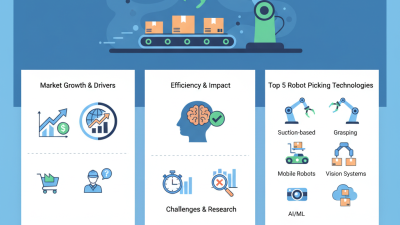
A reliable palletizing cell usually combines six-axis or delta robots, programmable logic controllers, machine vision, and customized end-of-arm tooling. Vision systems identify carton position, orientation, and damaged packaging before the robot lifts a load. Vacuum grippers suit smooth cartons, while mechanical clamps handle uneven surfaces more securely. Servo-controlled conveyors synchronize product flow with robot motion. Small timing errors can still create unstable stacks.

Safety technology matters equally. Light curtains, safety scanners, emergency stops, and controlled access zones should follow relevant ISO 10218 requirements. Digital twins can test reach, collision risks, and pallet patterns before installation. The International Federation of Robotics’ World Robotics 2024 report also shows China’s operational industrial robot stock exceeding 1.7 million units, reinforcing the need for capable integration and after-sales support.

Artificial intelligence is entering palletizing, but it is not magic. Poor lighting, reflective film, and inconsistent cartons can confuse vision systems. A supplier should provide fault logs, recovery procedures, spare-part plans, and measurable acceptance tests. A fast demonstration may hide weak maintenance design. Slower commissioning can be the wiser choice.

Leading Supplier Types and Their Applications

China’s industrial robot palletizer suppliers generally fall into three groups: robot integrators, palletizing equipment manufacturers, and turnkey automation companies. Each type serves a different production need. Integrators combine robotic arms, grippers, conveyors, sensors, and control systems. They suit factories with unusual carton sizes or changing pallet patterns.

Equipment manufacturers often provide standardized palletizing cells. These systems work well in beverage, food, chemical packaging, and general warehouse operations. A typical cell may stack twelve boxes per layer, adjust the pattern, and place a slip sheet between layers. The main advantage is predictable installation and easier operator training. The weakness is limited flexibility when products change frequently.

Turnkey automation suppliers manage the complete project, including layout design, safety guarding, programming, installation, and after-sales support. They are useful for large factories requiring several production lines. Experienced buyers should examine cycle time tests, payload calculations, spare-part access, and local service response. A supplier may promise 1,200 cartons per hour, but actual output can fall after product variation or manual interruptions. That detail matters.

Application conditions should guide the selection. Heavy bags need strong grippers and stable layer control. Fragile cartons require softer handling and accurate positioning. Dusty facilities may demand protected sensors and simpler maintenance routines. Supplier experience is valuable, but it should be verified through factory visits, test reports, and documented commissioning records. Some proposals look efficient on paper. Reality can be less tidy. Keep space for human adjustment.

How to Select the Right Palletizing Solution

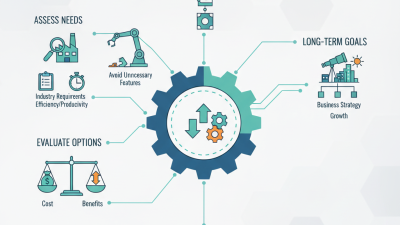
Choosing the right palletizing solution starts with the product, not the robot. Measure carton weight, dimensions, surface friction, and daily production volume. A system handling unstable bags needs different tooling from one stacking rigid cartons. Ask suppliers for cycle-time data based on your actual load pattern, not ideal test pieces.

Review the complete work cell. Check robot reach, pallet height, conveyor speed, gripper access, and available floor space. Safety fencing, sensors, emergency stops, and maintenance access must fit local requirements. The best China-based industrial robot palletizer suppliers should provide layout drawings, risk assessments, installation guidance, and operator training. Request documented factory tests before shipment. See it running.

Integration quality often decides the real result. Confirm communication with your packaging line, warehouse system, and production controls. Ask how recipes change between pallet sizes or carton formats. A strong supplier explains spare parts, response times, software support, and remote diagnostics clearly. Vague promises deserve caution.

Cost comparisons can mislead. A lower purchase price may hide difficult changeovers, weak documentation, or expensive downtime. Examine energy use and routine maintenance over several years. Speak with existing users in similar industries, if possible. Their feedback may reveal details that sales documents omit. Even careful selection has risks; product variation, dusty conditions, and rushed commissioning can reduce performance. Build acceptance criteria around measurable output, pallet stability, safety, and recovery after faults. A perfect spreadsheet is not enough. Observe the solution under ordinary factory conditions.

China Best Industrial Robot Palletizer Suppliers? - How to Select the Right Palletizing Solution

Selection Dimension Practical Reference Data How to Evaluate a Supplier or Solution Recommended Specification or Evidence
Robot Configuration Four-axis articulated palletizing robots are widely used for repetitive pick-and-place applications. Six-axis models are suitable when products require more complex orientation or approach angles. Match the number of axes to the required product orientation instead of selecting additional axes without a functional need. Request a layout drawing showing axis movement, safety clearance, and the complete working envelope.
Payload Capacity Industrial palletizing robots commonly cover payload classes from approximately 20 kg to more than 300 kg, depending on the application and robot model. Calculate the total payload as product weight plus gripper, tooling, hoses, cables, and any carried packaging material. Choose a robot with a documented payload margin; do not size the robot exactly at the maximum rated load.
Reach and Pallet Size Required reach depends on pallet length, pallet width, product dimensions, stacking pattern, conveyor position, and the height of the finished load. Confirm that all pallet corners and the highest stacking layer can be reached without singularities or interference. Provide CAD layouts or validated reach studies for every pallet format used in production.
Throughput Many industrial palletizing cells are planned within a broad range of approximately 10–20 cases or bags per minute, but actual output depends on product size, pattern, travel distance, and gripper design. Use the required units per minute and units per pallet rather than relying only on the robot’s advertised maximum speed. Request a cycle-time test using the actual product, pallet, stacking pattern, and required infeed spacing.
Gripper Selection Common options include vacuum, mechanical fork, clamp, layer, and hybrid grippers. Vacuum systems require suitable surface conditions and adequate vacuum generation. Evaluate grip reliability for damaged cartons, porous bags, dusty products, varying weights, and mixed package sizes. Require a product sample test and define acceptable drop, slip, deformation, and misalignment limits.
Palletizing Pattern Common patterns include block, column, interlocked, brick, and layer-based arrangements. Pattern choice affects load stability and pallet utilization. Check whether the control system can store multiple recipes and adjust patterns for different SKUs and pallet dimensions. Request sample programs for each product format, including layer changes and automatic recipe selection.
Product Variability Different carton sizes, bag materials, weights, and center-of-gravity positions can require different gripping forces and motion parameters. Determine the number of SKUs, changeover frequency, allowable product mix, and barcode or vision requirements. Select a system with recipe management, adjustable tooling, and documented changeover procedures.
Infeed and Conveyor Integration The cell may require metering conveyors, product spacing, stop gates, alignment devices, pallet conveyors, and pallet dispensers. Assess the complete material flow, including empty-pallet supply, full-pallet discharge, accumulation, and operator access. Require a full-cell layout and interface list covering electrical, pneumatic, network, and mechanical connections.
Control and Communication Typical industrial integration may use Ethernet-based communication, digital I/O, safety circuits, and PLC or HMI recipe control. Verify compatibility with the existing automation platform and define ownership of sequence logic, alarms, and data exchange. Request an I/O list, network architecture, alarm matrix, user-access levels, and backup procedure.
Safety Requirements A palletizing cell may require guarding, interlocked access doors, emergency stops, safety scanners, light curtains, and safe robot monitoring. Evaluate the complete cell risk rather than the robot alone. Safety design must reflect local regulations and the intended operating environment. Ask for a documented risk assessment and conformity documentation referencing applicable machinery and robot safety standards, such as ISO 10218.
Environmental Conditions Dust, moisture, washdown, temperature, corrosive materials, and hygienic requirements can affect robot protection, gripper design, and component selection. Compare the actual environment with the protection rating and material requirements of every exposed component. Require enclosure or IP-rating documentation where relevant, plus cleaning and maintenance instructions.
Accuracy and Load Stability Pallet quality depends on robot repeatability, conveyor positioning, product consistency, gripper control, and pallet condition. Define acceptable overhang, layer alignment, product damage, and finished-pallet stability limits. Use acceptance tests with measured pallet dimensions and photographs of completed loads.
Installation and Commissioning Commissioning typically includes mechanical installation, electrical and pneumatic connection, programming, safety validation, operator training, and production trials. Clarify site preparation, installation responsibility, travel requirements, utilities, and production downtime before ordering. Include a written commissioning schedule, training plan, acceptance criteria, and final documentation package.
Maintenance and Spare Parts Routine maintenance commonly includes inspection of gripper components, vacuum equipment, conveyor parts, lubrication points, sensors, cables, and safety devices. Assess local technical support, response time, spare-parts availability, remote diagnostics, and service documentation. Request a recommended spare-parts list, preventive-maintenance schedule, warranty terms, and service escalation process.
Total Cost of Ownership The complete investment includes the robot, gripper, conveyors, pallet handling, guarding, controls, installation, training, utilities, maintenance, and future modifications. Compare lifecycle cost and expected uptime rather than comparing robot purchase prices alone. Request a line-item quotation with exclusions, utility consumption, warranty coverage, spare-parts pricing, and upgrade costs.

Note: Reference ranges are general industrial planning values. Final performance, safety, and compliance must be verified through application testing, engineering validation, and the requirements applicable at the installation site.