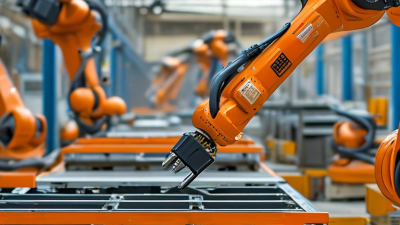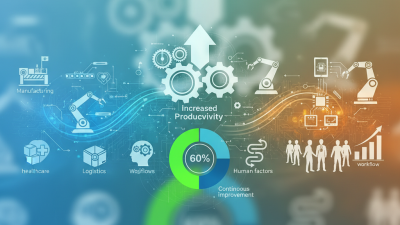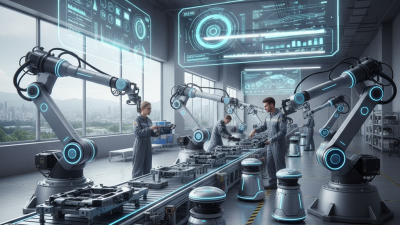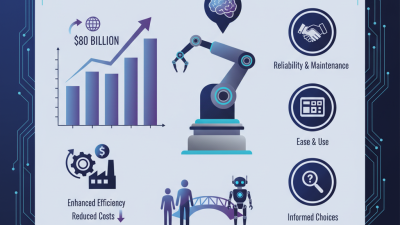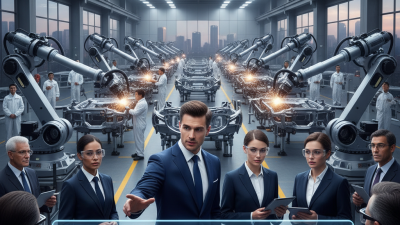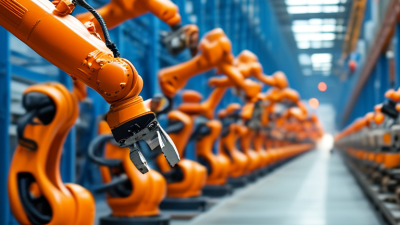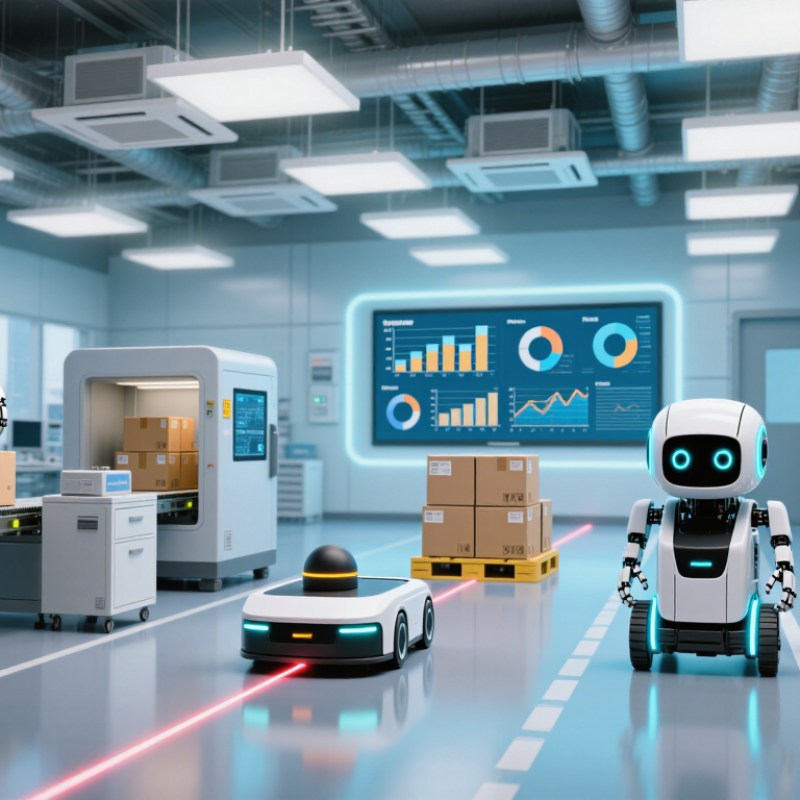
A robotic system combines sensors, software, controllers, mechanical parts, and safety functions. It does not simply “think” like a human. It measures conditions, compares them with programmed targets, then moves through controlled actions.
A camera may detect a box’s position. A force sensor can notice unexpected resistance. The controller then adjusts the arm, mobile base, or gripper.
This cycle repeats rapidly: sense, decide, act, and check. It is the core of how robotic systems work.
International Federation of Robotics data shows that 541,302 industrial robots were installed worldwide in 2023, with more than four million operating globally. The figure signals broad adoption, but not universal success.
The best system depends on the task, workspace, payload, and tolerance for downtime. A warehouse platform may map aisles and avoid people. A manufacturing arm may repeat a weld within tight limits.
Safety scanners, emergency stops, restricted speeds, and human supervision remain essential. ISO 10218 guidance emphasizes risk reduction across robot design and integration, not only the machine itself.
Real deployments are less tidy.
Dust can weaken vision. Reflective surfaces can confuse cameras. Poorly labeled training data may cause slow decisions. A system can be technically impressive and still frustrate workers. Buyers should test ordinary failures, maintenance access, recovery time, and operator training before judging performance. Speed alone is a weak measure. Reliability is harder to prove.