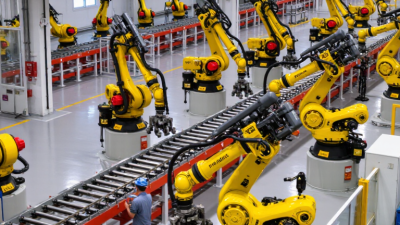
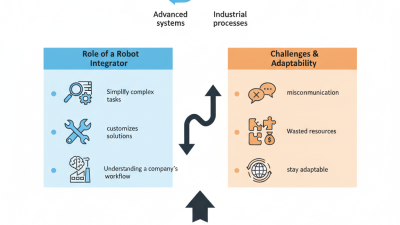
China has become a major source of industrial automation, offering manufacturing robot suppliers for welding, assembly, packaging, palletizing, and material handling. These companies serve factories ranging from small workshops to high-volume automotive plants. Their products often combine competitive pricing, flexible configurations, and expanding technical support.
Choosing a reliable supplier requires more than comparing catalog prices. Buyers should examine robot payload, reach, repeatability, cycle time, software compatibility, and safety functions. Factory audits can reveal important details. Look for organized testing areas, documented quality procedures, trained engineers, and clear spare-parts policies. A supplier that demonstrates real production cases deserves closer attention.
Applications matter greatly.
A welding robot may need a different controller and protection rating than a packaging robot. Integration experience is equally important. The supplier should understand conveyors, vision systems, grippers, sensors, and factory communication protocols. Ask for measurable results from similar installations, such as reduced cycle time or fewer manual handling steps. Claims without data should be treated carefully.
This guide introduces leading manufacturing robot suppliers in China and explains where their strengths may fit different industrial needs. It considers product quality, engineering capability, customization, after-sales service, certifications, and export experience. No ranking can replace technical verification. A respected brand may still be unsuitable for a specific line, while a smaller company may provide excellent support in a focused application. Requirements must come first. Buyers should request sample testing, inspect reference projects, and confirm total ownership costs before signing an agreement. Some supplier information changes quickly, so independent validation remains necessary.
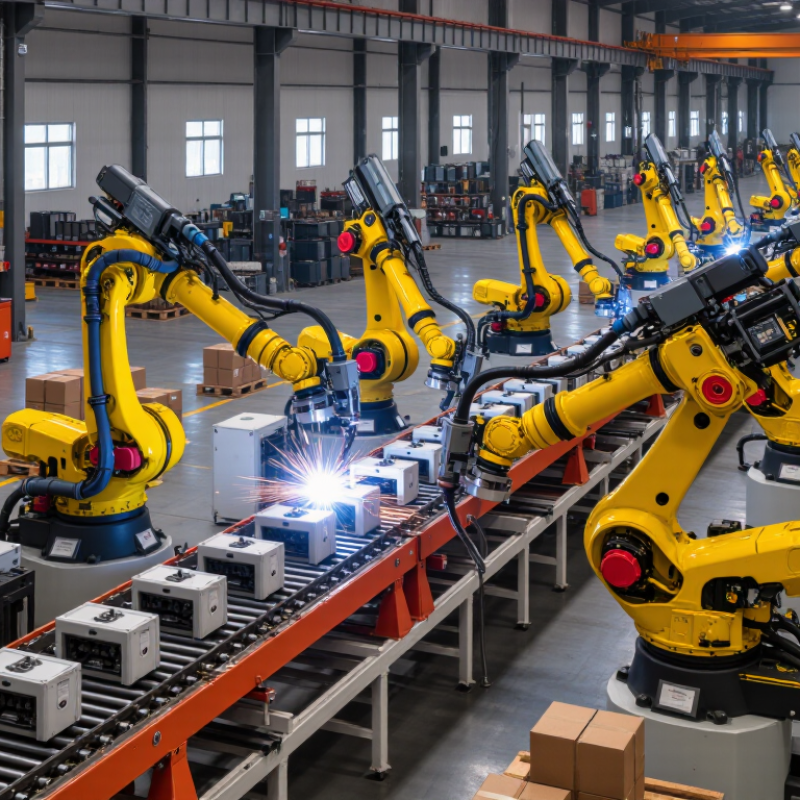
A leading manufacturing robot supplier in China does more than sell robotic arms. It understands the factory floor, production rhythm, and pressure behind every missed shipment. Experienced suppliers study the application before recommending equipment. They measure cycle time, payload, reach, floor space, dust, heat, and operator movement. A welding cell, for example, needs different planning from a palletizing line.
Professional expertise appears in the integration details. The supplier should provide simulation, fixture design, programming, safety planning, and production testing. Clear documentation matters. So does practical training for operators and maintenance teams.
Ask for verified case studies, measurable uptime data, and references from similar factories. Certifications and safety compliance should be supported by current records, not vague claims.
Reliable support is often more valuable than a low initial quotation. Spare parts availability, remote diagnostics, on-site service, and response times deserve written terms. Some suppliers promise fast payback but overlook changeover delays or difficult maintenance access. That is a warning sign. Even a technically strong supplier can misunderstand a process when factory data is incomplete. A pilot run can expose these gaps before full installation. It may feel slower. It can prevent expensive surprises.
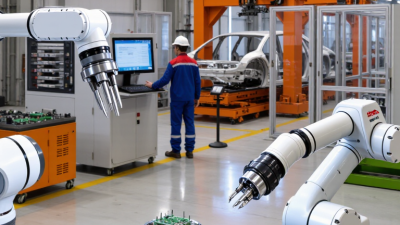
Best Manufacturing Robot Suppliers in China: Key Types and Industrial Applications
China’s manufacturing demand is reshaping robot selection. The International Federation of Robotics reported 541,302 industrial robot installations worldwide in 2023. China represented 276,288 installations, or about 51% of the global total. Articulated robots handle welding, painting, machine tending, and palletizing. Their rotating joints reach deep into irregular workspaces. SCARA robots suit electronics assembly and small-part insertion. They deliver fast horizontal movements on compact production lines. Delta robots support food, pharmaceutical, and lightweight packaging tasks. Their vision systems can sort products moving across a conveyor. Cartesian robots serve cutting, dispensing, and precise loading operations. Collaborative robots assist workers with screwdriving, inspection, and low-volume assembly. However, collaboration still requires risk assessment, guarding decisions, and verified stopping performance.
Tips: Define the task before comparing suppliers. Measure payload, reach, cycle time, repeatability, and available floor space. Ask for a sample-cell test using your actual parts. A polished demonstration can hide difficult cable routing or unstable gripping. Integration quality matters as much as arm speed.
The IFR’s World Robotics 2024 report also recorded more than 4.28 million industrial robots operating globally. This installed base suggests mature automation, but not universal suitability. A six-axis robot may be excessive for a simple pick-and-place cell. A cheaper platform may later create maintenance delays. Factory trials should examine dust, vibration, product variation, and operator training. These details are often missed. Supplier reliability should include spare-part access, programming support, safety documentation, and measured uptime evidence. Data remains useful, yet real production conditions deserve the final judgment.
Robot selection depends on motion flexibility, precision, payload, speed, and workspace. Articulated and collaborative robots are commonly used for welding, handling, assembly, and inspection, while SCARA, delta, Cartesian, and cylindrical robots are widely applied to high-speed assembly, packaging, dispensing, machining, and material transfer.
Evaluating Chinese robot suppliers requires more than comparing prices and brochures. The International Federation of Robotics reported 276,288 industrial robot installations in China during 2023. That represented about 51% of global installations. This scale shows strong manufacturing depth, but market size does not guarantee reliable engineering.
Ask suppliers for production evidence from applications similar to yours. Check payload, reach, repeatability, cycle time, uptime, and recovery procedures. Request factory acceptance testing with your actual parts, not sample products. A capable supplier should explain its controller architecture, vision integration, safety functions, and communication protocols clearly. It should also provide spare-part plans and measurable service response times. Small details matter.
Review the supplier’s software openness and integration experience. Support for common industrial networks can reduce commissioning problems. Confirm whether remote diagnostics, offline programming, and data logging are included. The World Robotics 2024 report placed China’s robot density at 470 units per 10,000 manufacturing employees in 2023. This suggests a mature adoption environment, yet integration quality still varies widely. A polished demonstration can hide difficult maintenance. I would test error recovery personally.
Do not rely only on certifications or a low initial quotation. Compare total ownership costs, training quality, spare-part availability, and expected downtime over five years. Independent reference calls are useful, although they may still be selective. A realistic pilot line often reveals more than a long presentation.
China’s manufacturing robot companies serve a wide range of industrial sectors. Automotive plants use robots for welding, painting, sealing, and component handling. A robotic arm can repeat a spot-welding cycle hundreds of times each shift. This improves consistency around vehicle frames and battery enclosures.
Electronics factories require smaller robots with controlled motion. They handle circuit boards, connectors, cameras, and delicate assembly tasks. Vision systems help detect missing parts or uneven placement. In metalworking, robots load CNC machines, polish castings, and move hot components. These applications demand strong guarding, accurate programming, and stable cycle times.
Food, beverage, pharmaceutical, and warehouse operations also use Chinese-made automation systems. Robots can pick cartons, arrange cases, inspect packages, and manage pallet patterns. Stainless-steel designs and washable surfaces matter in hygienic production areas. Warehouse robots support sorting and internal transport, but floor conditions can affect navigation.
Not every solution fits every factory. A low-cost robot may struggle with dust, vibration, or frequent product changes. Integration quality often matters more than arm speed. Buyers should review payload tests, safety documentation, spare-part access, and operator training. Factory trials reveal problems that brochures rarely mention. In practice, even a reliable robot needs thoughtful maintenance and realistic production targets.
| Major Industry | Typical Manufacturing Applications | Common Robot Configuration | Typical Payload Requirement | Primary Selection Criteria | Relevant Standards or Requirements |
|---|---|---|---|---|---|
| Automotive and Auto Components | Spot welding, arc welding, machine tending, adhesive dispensing, sealing, painting, assembly and palletizing | Six-axis articulated robots, welding robots and high-payload handling systems | Approximately 6–300 kg, depending on the operation | Reach, repeatability, welding integration, cycle time, protection against dust and weld spatter | Industrial robot safety, safeguarding, end-of-arm tooling and process-specific welding requirements |
| Electrical and Electronics | Component insertion, screwdriving, dispensing, testing, inspection, sorting and small-part assembly | SCARA robots, delta robots, compact articulated robots and collaborative robots | Approximately 0.1–20 kg | High repeatability, fast cycle time, clean operation, vision compatibility and electrostatic-discharge control | ESD protection, machine guarding, electrical safety and controlled-environment requirements where applicable |
| Metal Fabrication | Arc welding, laser cutting, plasma cutting, loading and unloading, grinding, polishing and deburring | Six-axis articulated robots and integrated robotic work cells | Approximately 6–250 kg | Work envelope, positional accuracy, torch or tool compatibility, environmental protection and offline programming | Welding-cell safety, light curtains, interlocked doors, fume extraction and emergency-stop systems |
| Machinery and General Manufacturing | CNC machine tending, component loading, unloading, assembly, inspection and finished-goods handling | Articulated robots, collaborative robots and mobile material-handling systems | Approximately 3–100 kg | Integration with CNC controls, gripper flexibility, uptime, programming simplicity and changeover time | Risk assessment, guarding, safe speed and separation monitoring where collaborative operation is used |
| Food and Beverage | Pick-and-place, packing, case packing, palletizing, sorting and product handling | Delta robots, stainless-steel articulated robots and hygienic palletizing systems | Approximately 0.1–180 kg | Washdown resistance, hygienic design, corrosion resistance, throughput and gripper cleanliness | Food-contact material requirements, hygienic design, ingress protection and applicable food-safety procedures |
| Pharmaceutical and Medical Products | Packaging, labeling, inspection, laboratory automation, filling support and cleanroom material handling | SCARA robots, delta robots, collaborative robots and cleanroom-compatible articulated robots | Approximately 0.1–30 kg | Cleanability, contamination control, traceability, repeatability and validation support | Good manufacturing practice, cleanroom classification, process validation and applicable medical-device controls |
| Plastics and Rubber | Injection-molding machine tending, insert loading, trimming, visual inspection, assembly and packaging | Articulated robots, Cartesian robots, SCARA robots and collaborative robots | Approximately 1–100 kg | Cycle time, mold-machine communication, heat resistance, repeatability and flexible tooling | Machine guarding, interlocks, thermal protection and safe integration with molding equipment |
| Logistics, Warehousing and E-Commerce | Palletizing, depalletizing, parcel sorting, bin picking, order fulfillment and internal transport | Mobile robots, palletizing robots, robotic arms with vision and automated storage systems | Approximately 5–300 kg | Navigation accuracy, fleet management, availability, payload stability and warehouse-system integration | Traffic management, pedestrian safety, emergency stopping and integration with warehouse control systems |
| New Energy and Battery Manufacturing | Cell handling, module assembly, tray loading, welding, dispensing, inspection and material transfer | High-precision articulated robots, SCARA robots, gantry systems and autonomous mobile robots | Approximately 1–250 kg | Precision, clean manufacturing, traceability, chemical compatibility, thermal control and process repeatability | Electrical safety, fire-risk controls, cleanroom practices and hazardous-material handling procedures |
| Construction Materials and Ceramics | Tile handling, surface inspection, grinding, polishing, loading, unloading and palletizing | Heavy-payload articulated robots, palletizing robots and machine-tending systems | Approximately 20–300 kg | Dust protection, payload capacity, reach, surface-finish consistency and resistance to abrasive environments | Dust extraction, guarding, abrasive-environment protection and safe heavy-load handling |
Note: Payload ranges and applications represent common industrial robot deployment categories in China and are not supplier-specific rankings or quotations. Final selection depends on reach, cycle time, tooling, line layout, environmental conditions and required safety assessment.
Choosing among the best manufacturing robot suppliers in China requires more than comparing unit prices. The International Federation of Robotics reported 276,288 industrial robots installed in China in 2023, representing about 51% of global installations. This scale creates many capable suppliers, but capability varies by application, integration depth, and service coverage.
Price is not the baseline. Ask for cycle-time evidence using your actual parts, fixtures, and safety requirements. A reliable supplier should provide a factory acceptance test, risk assessment, installation schedule, and documented acceptance criteria. Check whether technicians can support electrical wiring, programming, calibration, and production ramp-up. Installation delays often come from unclear interfaces, not robot hardware. Demand proof.
After-sales support deserves equal attention. Request spare-parts availability, remote diagnostics, on-site response times, software update policies, and operator training. ISO 10218-based safety practices should be reflected in the system design, guarding, emergency stops, and validation records. The IFR’s World Robotics reports show rapid growth in robot adoption, yet workforce readiness still affects productivity. A practical mistake is treating training as a single handover session. Operators need job-specific instructions and troubleshooting drills. Document everything. I would also compare five-year ownership costs, including tooling, maintenance, downtime, energy, and consumables. A polished demonstration can hide weak support. That possibility deserves direct questions, reference-site calls, and a carefully negotiated service agreement.