What Are Turnkey Robot Systems?
Turnkey robot systems are packaged automation solutions designed to move a project from planning through installation and production handoff. A supplier may provide the robot, end-of-arm tooling, safety equipment, controls, programming, and integration. The goal is a working cell, not a collection of parts left for the buyer to assemble. That matters.
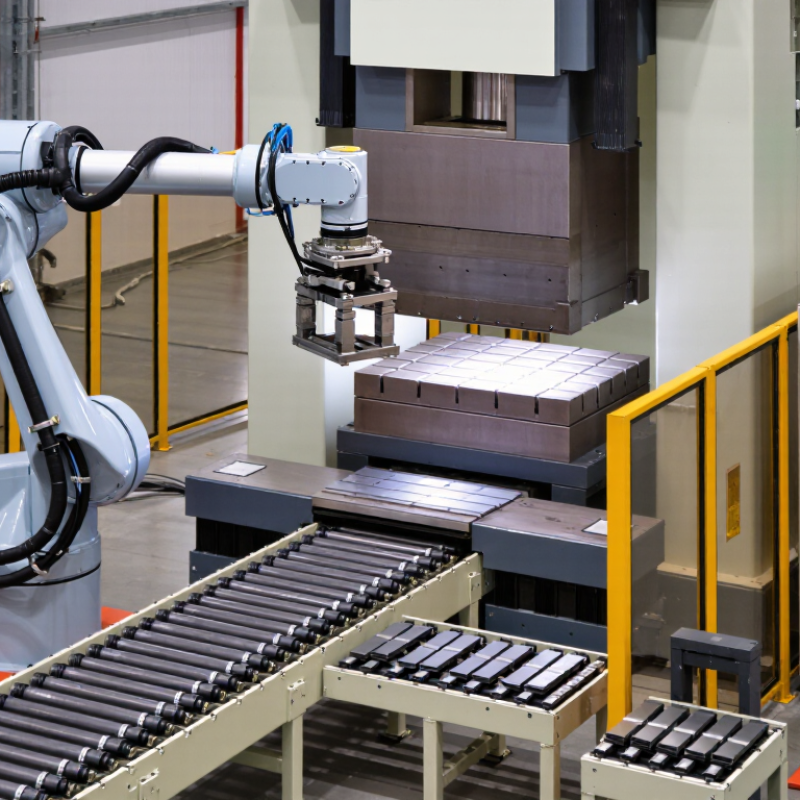
Picture a robot loading metal blanks into a press. Its gripper, guarding, safety scanners, conveyor signals, and PLC logic must work together. A mismatch in part dimensions or cycle timing can stop the entire line. Practical project reviews therefore examine the task, workspace, payload, production rate, and site conditions before equipment is selected. Requirements should be documented, not assumed.
The term “turnkey” can mean different things across suppliers. One proposal may include operator training and commissioning; another may exclude facility changes or ongoing support. Buyers should confirm acceptance tests, responsibilities, spare parts, and service response in writing. Ask how the system handles jams, product changes, and recovery after a fault. Small details matter.
A turnkey approach can simplify coordination, especially when several technologies must fit into one process. Yet it does not remove the need for informed decisions from the customer. Operators know where real production problems occur, and their input can expose gaps in a polished proposal. The phrase can sound cleaner than reality. A careful review helps distinguish a genuinely integrated solution from equipment that merely arrives together.
What Defines a Turnkey Robot System?
A turnkey robot system is a production cell delivered ready for an agreed task, not merely a robot arm in a crate. The supplier typically integrates the robot, gripper, controls, sensors, guarding, and interfaces with nearby equipment. It also programs the motion, tests safety functions, and documents operation and maintenance. The customer should receive clear acceptance criteria, such as cycle time, part quality, and uptime conditions. Without those, “ready” can mean different things to each party.
The scale of industrial automation makes those boundaries important. The International Federation of Robotics reported 4,281,585 industrial robots operating worldwide in 2023, in World Robotics 2024. Each installation still depends on its workpiece, floor layout, and production process. A practical turnkey definition therefore includes site assessment, installation, commissioning, operator training, and a plan for service and spare parts. Ask who owns changes when a part shifts slightly or a sensor gives inconsistent readings. That detail gets missed. The boundary can remain fuzzy, especially when existing equipment is poorly documented. A credible integrator should state assumptions, test the cell under realistic conditions, and record any limits before handover.
What Are Turnkey Robot Systems? - What Defines a Turnkey Robot System?
| Dimension |
What Defines It |
Typical System Scope |
How It Is Verified |
| Integrated solution |
The robot is supplied as part of a coordinated application, rather than as a standalone arm requiring the buyer to design the entire cell. |
Robot, end-of-arm tooling, fixtures, sensors, safety equipment, controls, and required interfaces. |
A documented system design and an integrated demonstration of the application. |
| Defined application |
The solution is engineered around specified tasks, materials, workpieces, cycle requirements, and operating conditions. |
Application assumptions, process sequence, robot reach and payload selection, and any necessary tooling or part presentation. |
A requirements review and trials using representative parts and operating conditions. |
| Controls and interfaces |
The components are configured to work together, including the robot, cell controls, operator interface, and relevant production equipment. |
Control software, I/O or network interfaces, operating screens, and agreed signals to upstream or downstream equipment. |
Functional tests of operating modes, interlocks, signals, and fault handling. |
| Safety provisions |
The delivered cell includes safety measures selected for the application and its intended operating environment. |
Risk assessment inputs, guarding or other protective measures, safety devices, and documented safety-related controls as applicable. |
Safety validation and documentation against applicable requirements before operation. |
| Installation and commissioning |
The scope covers preparing the system for operation at the agreed site, not just delivering equipment. |
Depending on the agreement: installation, connection, setup, calibration, commissioning, and operator instruction. |
Site acceptance checks, commissioning records, and confirmation that agreed functions operate correctly. |
| Performance and acceptance |
Acceptance criteria are defined in advance so the customer and integrator can assess whether the system meets the agreed requirements. |
Agreed measures may include cycle time, process capability, availability conditions, product quality, and required operating functions. |
Factory or site acceptance testing using agreed procedures, samples, and measurement methods. |
| Documentation and support |
A turnkey handover normally includes information needed to operate and maintain the delivered system; exact coverage depends on the contract. |
Operating and maintenance instructions, drawings, parts information, training, and agreed service or support arrangements. |
Handover checklist confirming delivery of documents, training, and any contracted support commitments. |
Note: “Turnkey” scope varies by project. Deliverables, performance targets, safety responsibilities, and site work should be stated in the project specification and contract.
What Components Make Up a Turnkey Robot System?
A turnkey robot system is more than a robot arm delivered to a factory. It is a coordinated cell, designed to perform a defined task with its supporting equipment. The core components usually include the robot, controller, end effector, fixtures, sensors, and safety equipment. The end effector might grip a metal part, hold a welding tool, or apply sealant. Fixtures position each workpiece consistently. Sensors check part presence and orientation; vision cameras can help when parts shift slightly. Small details matter.
The controller runs the motion program and communicates with production equipment, such as a conveyor, programmable logic controller, or operator panel. Guarding, interlocks, and emergency stops help manage access and unexpected motion. Cables, pneumatic lines, mounting structures, and software integration also belong in the system—not as afterthoughts.
The International Federation of Robotics reported 4,281,585 industrial robots operating worldwide in 2023 in its World Robotics 2024 report.
That scale makes dependable integration essential, but the right configuration still depends on the task, cycle time, and workspace. A cable can snag. A fixture can wear. Commissioning should test real parts and realistic production conditions, then allow room for adjustments.
How Is a Turnkey Robot System Designed and Installed?
A turnkey robot system is designed around a specific production task, not just a robot arm. The process starts with observing the workpiece, cycle time, and operator movements. Engineers then select the robot’s reach, payload, gripper, sensors, and control equipment. A small change in part shape can affect the entire setup. That detail matters.
The cell layout is checked against machine access, material flow, and safe working distances. Engineers may build a simulation to spot reach gaps or likely collisions before equipment arrives. Simulations help, but they are not the factory floor. Cable routes, uneven flooring, and real part variation can expose problems a model misses. Those surprises should be documented, not brushed aside.
Installation usually involves positioning the robot, anchoring it, connecting power and controls, and integrating nearby machines. Technicians teach movement points and test the gripper with actual parts. They also verify emergency stops, guarding, and recovery procedures before production trials begin. Then the system runs repeated cycles while the team checks timing, placement accuracy, and fault handling. A stable run is useful evidence, though early results may not reveal every maintenance issue. Operators need practical training on routine checks and safe restarts, too.
How Is a Turnkey Robot System Designed and Installed?
This illustrative schedule shows estimated durations for a small, single-cell project.
Procurement and fabrication may overlap with other phases. Actual timelines vary with
system scope, safety requirements, equipment lead times, and site readiness.
How Do Turnkey Robot Systems Operate?
A turnkey robot system arrives as a coordinated work cell, not just a robot arm. Its supplier typically matches the robot, gripper, sensors, controller, and safety equipment to a defined task. The goal is a system that can be installed, tested, and put into production with fewer integration steps.
Operation begins when a part reaches the work area. A sensor or controller confirms its position, then sends the robot a programmed instruction. The robot picks, moves, or processes the part while guards and safety sensors monitor access. A controller coordinates these actions with nearby machines. If a part is missing or misplaced, the system may pause and alert an operator. During commissioning, technicians test these responses and adjust motion, timing, and grip force. A smooth demonstration is not enough; real parts can vary, and that assumption deserves checking.
Tips: Ask what the system does when a sensor fails or a part shifts. Confirm cycle time using your actual parts, and train operators to handle stops. Small details matter. A poorly placed cable can cause repeated downtime.
Where Are Turnkey Robot Systems Used?
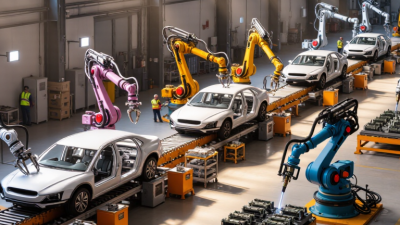
Turnkey robot systems are used where repetitive work, controlled workspaces, and dependable throughput matter. A complete cell may combine a robot, gripper, safety equipment, vision, controls, and commissioning. Automotive plants use them for welding, adhesive dispensing, machine tending, and moving heavy components. Electronics factories apply compact cells to assemble small parts and inspect circuit boards. Metal shops use robotic welding and machine loading, often with fixtures that hold parts steady. Food processors automate picking, packing, palletizing, and case handling. The International Federation of Robotics reported 541,302 industrial robot installations worldwide in 2023. Its World Robotics 2024 report says Asia accounted for about 70 percent of installations. These figures describe robot installations, not turnkey projects alone.
Logistics sites use integrated mobile robots and conveyor-linked arms to move cartons, replenish stations, and sort parcels. IFR’s World Robotics 2024 service-robot report recorded nearly 113,000 sales of professional transport and logistics robots in 2023. That signals demand, but sales do not prove every site gains the same return. Hospitals and laboratories may use turnkey systems for sample transport or routine handling, provided routes and handoffs are carefully validated. Small facilities can struggle with space, changeovers, or maintenance staffing. The neat demo is not the whole shift. A poor gripper choice or safety layout can slow production instead of improving it. Site surveys, cycle-time trials, and operator input matter before purchase.